
Walking through Japan, you'll encounter small stone statues with gentle, childlike faces wearing red bibs and caps. These are Jizo statues, representing one of the most beloved figures in Japanese Buddhism. These humble guardians hold profound meaning in Japanese spiritual and cultural life.
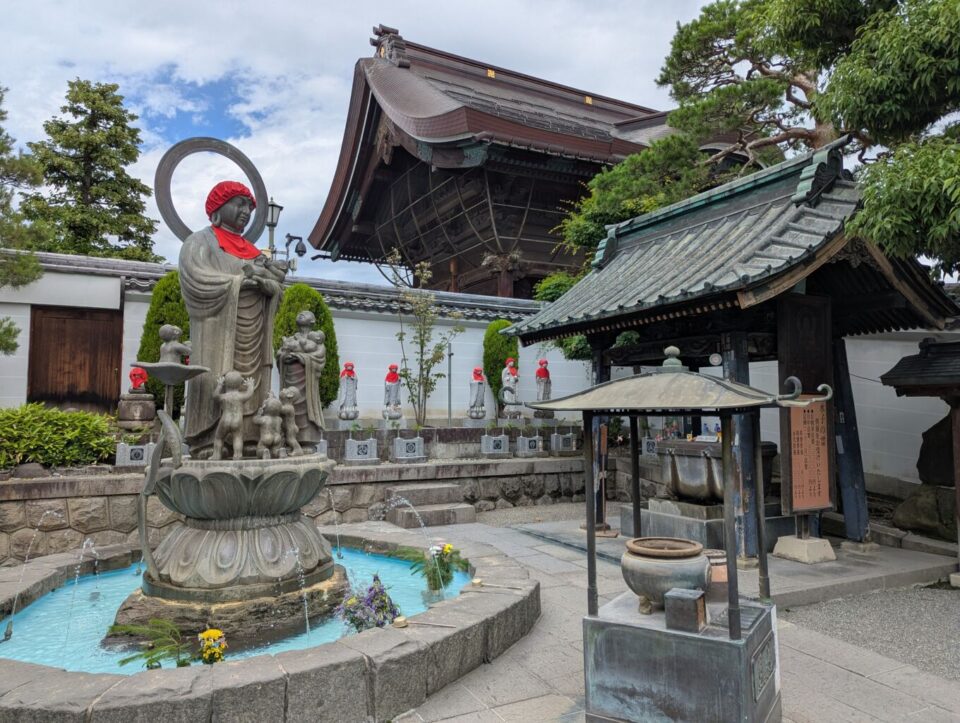
Who is Jizo?
Jizo, known in Sanskrit as Ksitigarbha, is a bodhisattva: an enlightened being who has vowed to help all sentient beings achieve salvation. In Japanese Buddhism, Jizo protects those who cannot protect themselves: children, travelers, and souls in the underworld.
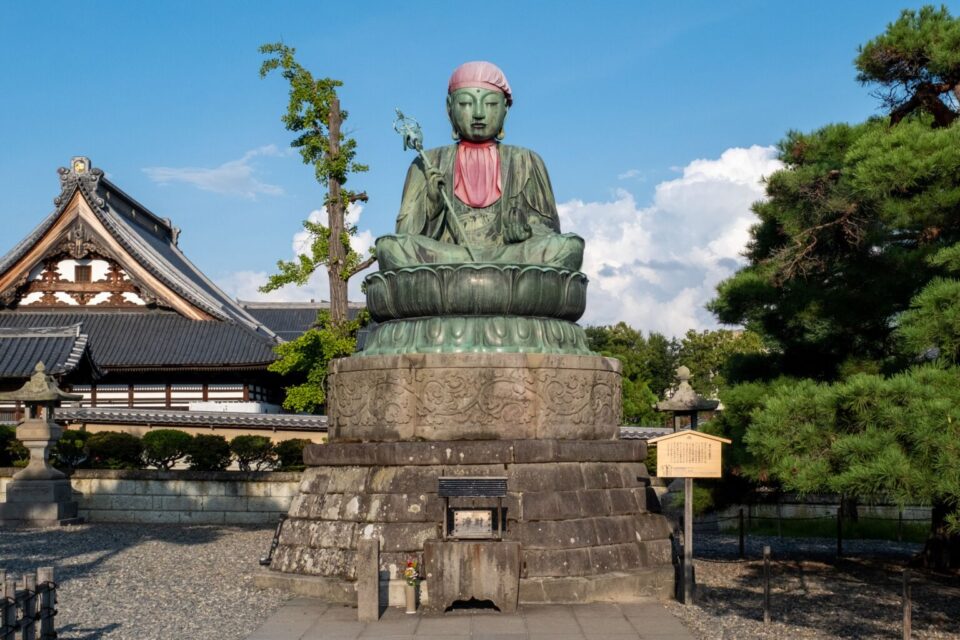
The name "Jizo" combines "ji" (地) meaning earth and "zo" (蔵) meaning storehouse, reflecting Jizo's role as the "Earth Treasury," a being who emerges from the earth to offer compassion and protection.
Originally from Indian Buddhism, Ksitigarbha arrived in Japan around the 8th century. In Japan, this bodhisattva became deeply integrated into folk religion and daily spiritual practice, surpassing its popularity in other Buddhist countries.
Roles and Responsibilities
- Guardian of Children
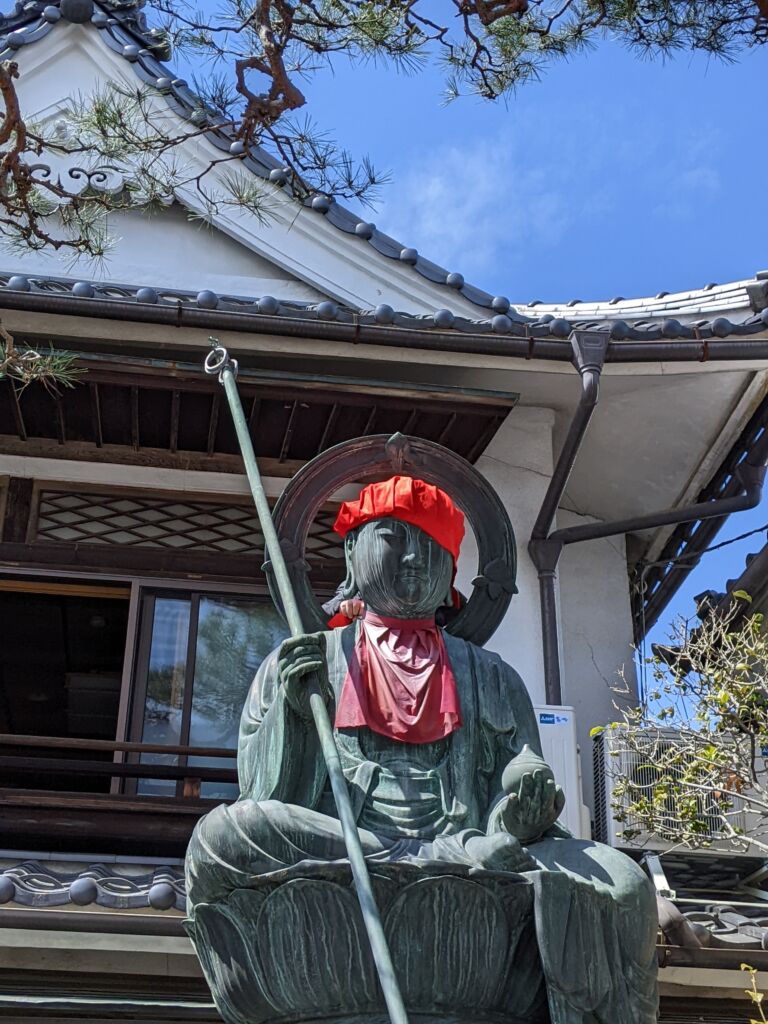
Jizo's most cherished role is as protector of children. This became particularly pronounced during the Edo period, when Jizo was believed to guide the souls of children who died before their parents. According to folklore, these children couldn't cross the Sanzu River to reach the afterlife because they hadn't accumulated enough good karma. Parents dress Jizo statues in red bibs and caps (colors believed to ward off evil) and make offerings of toys, sweets, and flowers.
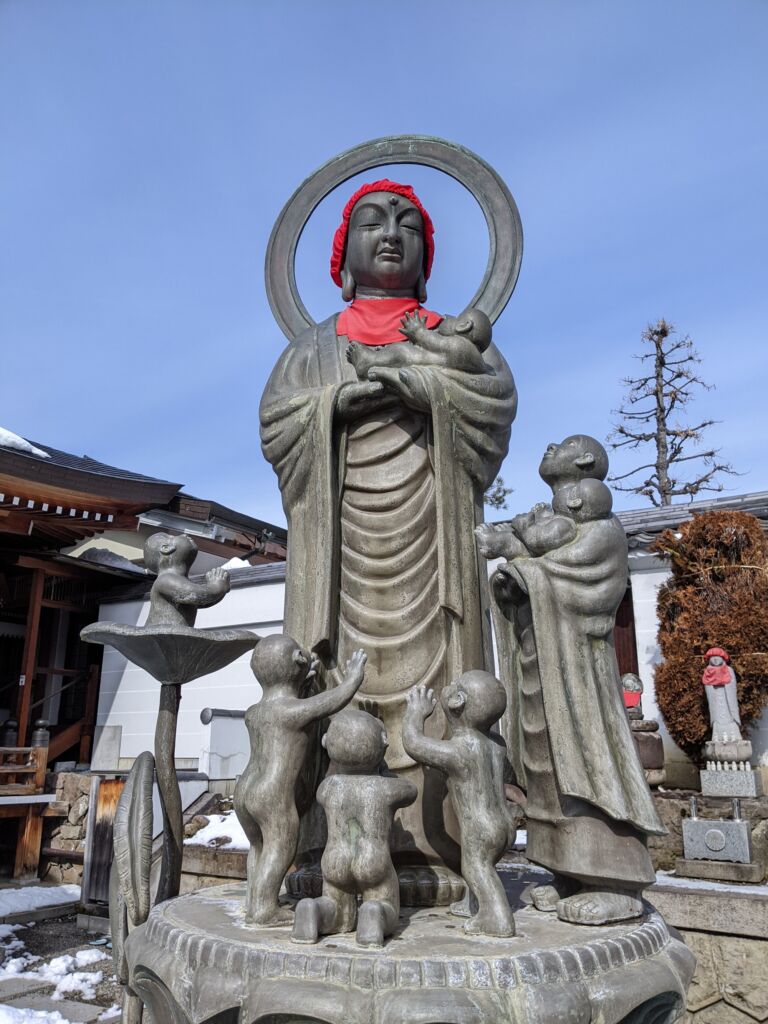
- Protector of Travelers and Guide for the Deceased
Jizo also serves as guardian of travelers, with stone statues placed at crossroads and mountain passes. In Buddhist cosmology, Jizo guides souls through the Six Realms, particularly helping those in the realm of hungry ghosts and hell.
- Distinctive Appearance and Symbolism
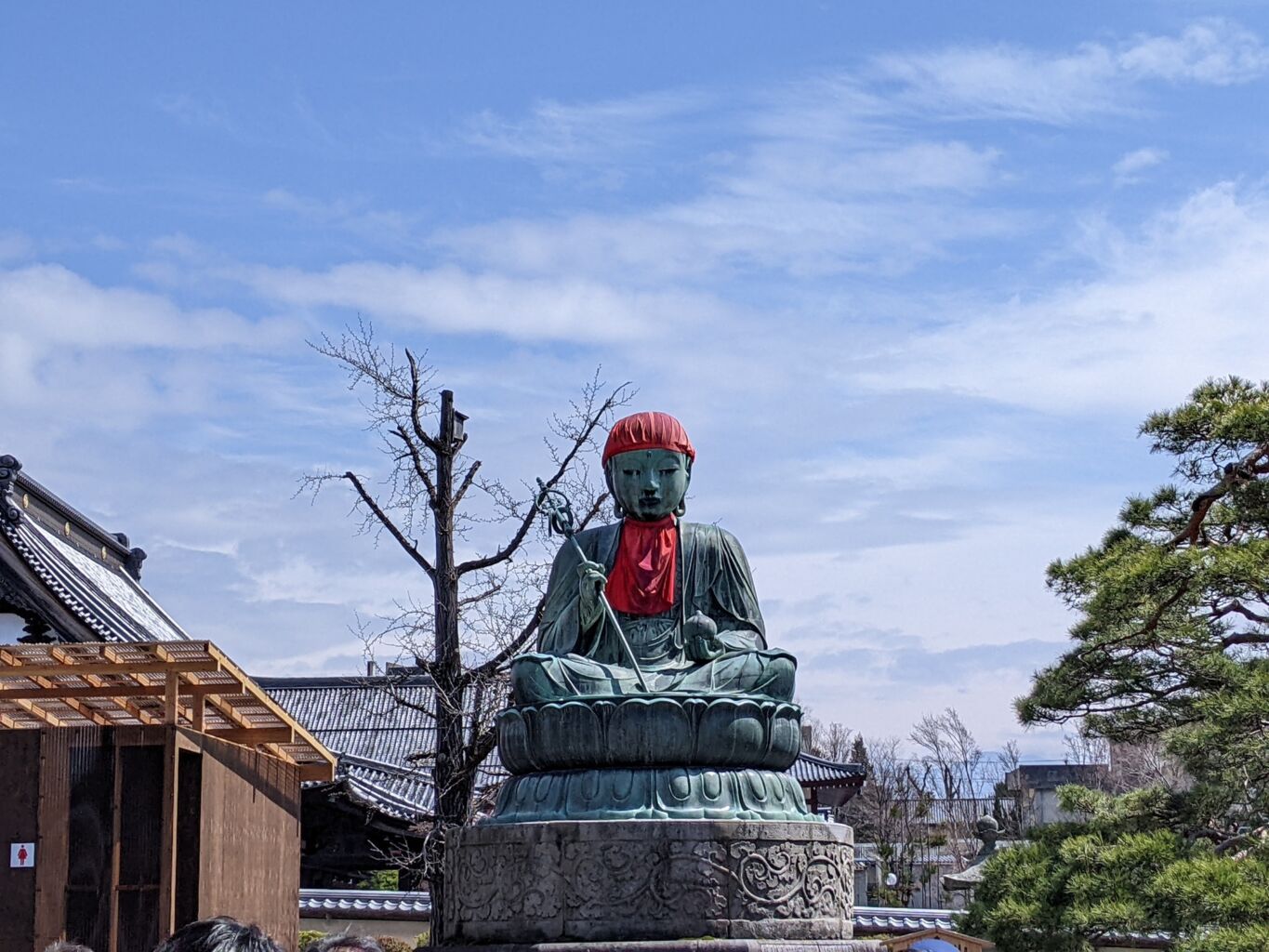
Jizo statues are recognizable by their monk-like appearance with shaved heads and simple robes. Many carry a ringed staff (shakujo) that alerts creatures to move aside and can open the gates of hell. The wish-fulfilling jewel (cintamani) often held in the left hand represents Jizo's ability to grant spiritual liberation. The red clothing placed by devotees serves as spiritual protection against evil spirits.
- The Sacred Rokujizo of Zenkoji Temple
Among Japan's most significant Jizo installations are the six Jizo statues outside the Sanmon Gate of Zenkoji Temple in Nagano. These Rokujizo represent the six realms of Buddhist cosmology: hell, hungry ghosts, animals, humans, heavenly beings, and asura.
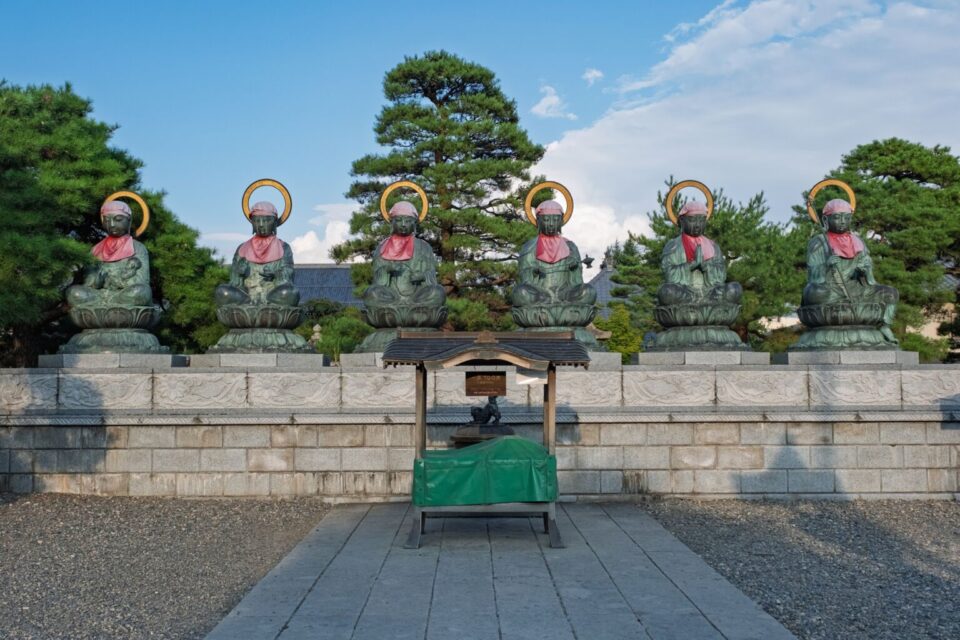
These statues hold special significance at one of Japan's most important pilgrimage destinations, a temple with over 1,400 years of history. As pilgrims approach Zenkoji's sacred precincts, they first encounter these compassionate guardians who offer protection for souls in all states of existence, serving as spiritual gatekeepers preparing visitors for the profound sacred experience within.
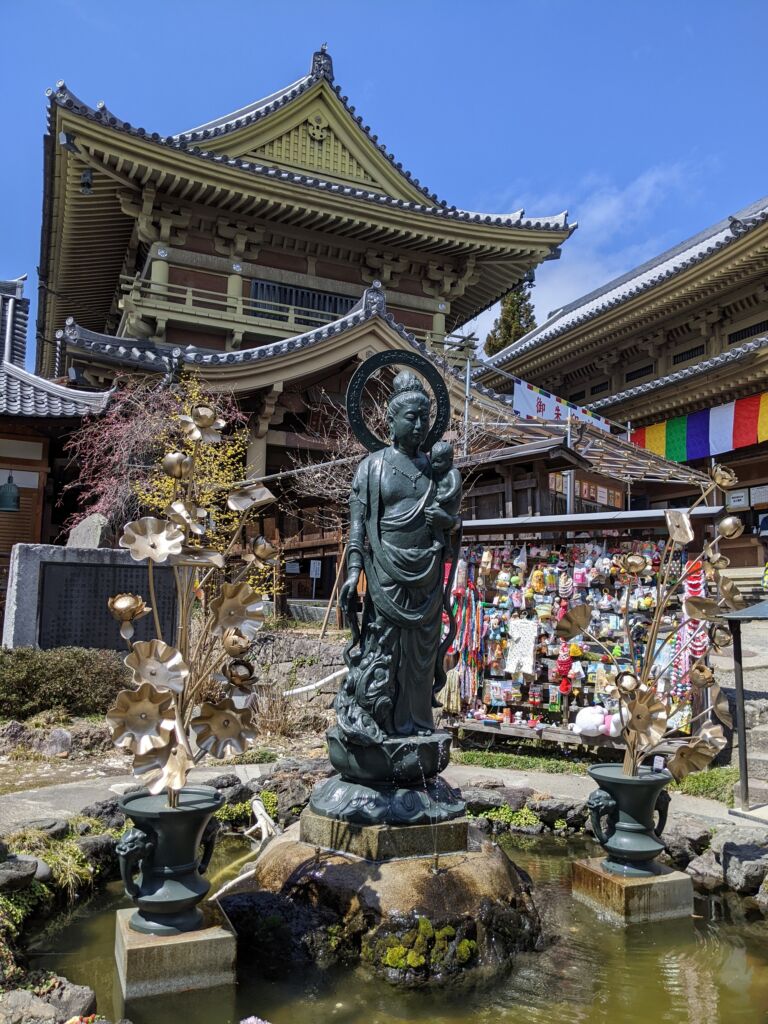
Within the temple grounds stands a smaller shrine dedicated to Jizo's role as protector of children who have died young. This intimate space provides a place for grieving parents, continuing the ancient tradition of seeking Jizo's compassion for departed children. The memorial reflects Zenkoji's inclusive approach to Buddhism, welcoming all who seek comfort regardless of sect or social status.
Cultural Impact and Enduring Relevance
Jizo appears frequently in Japanese literature and represents accessible spirituality: anyone can approach a Jizo statue and ask for protection or guidance. This democratic aspect reflects broader themes in Japanese Buddhism about salvation being available to all beings.
Jizo's continuing popularity addresses fundamental human needs: protection, remembrance of the deceased, and comfort found in accessible spirituality. These guardians connect ancient wisdom with modern life, offering tangible connection to compassionate presence in everyday surroundings.
For travelers and those drawn to Buddhist philosophy, Jizo offers insight into Japanese spiritual life that values accessibility, community care, and the importance of protecting those who cannot protect themselves.
Explore a Sacred City in the Heart of Nagano
You can learn more about Jizo as part of our Nagano Zenkoji Temple Town Walking Tour. Our guides can share a fascinating stories and hidden details to both spiritual and cultural life that continues to shape this sacred city.

 Page Top