
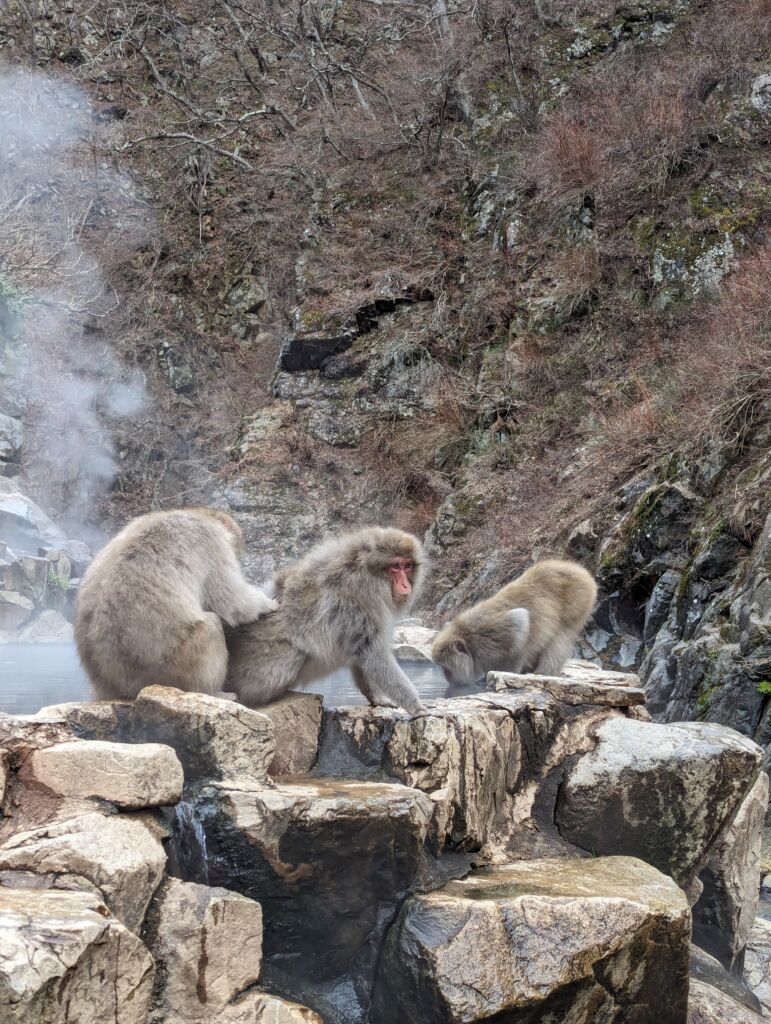
The name Jigokudani translates literally as Hell Valley, and the ancient peoples who first gazed upon this landscape understood why. Steam rises from hot springs at every turn, cliffs plunge dramatically into the narrow gorge, and snow blankets the ground for nearly a third of the year. Yet what appeared hellish to humans has proven ideal for one particular troop of Japanese macaques, the world's northernmost-dwelling primates, who have called this valley home for generations.
From Crisis to Conservation
Jigokudani Yaen-koen sits within Joshinetsu Kogen National Park providing the monkeys' natural habitat. Established in 1964 as a facility where wild Japanese macaques can be observed without fences or cages, the park represents a unique conservation success story born from conflict and compromise.
The park's origins trace back to the 1950s, when rapid development of ski resorts and forest clearing drove Japanese macaques from their mountain habitat in nearby Shiga Kogen. The displaced primates began raiding crops in villages below, creating a crisis as frustrated farmers began hunting them.
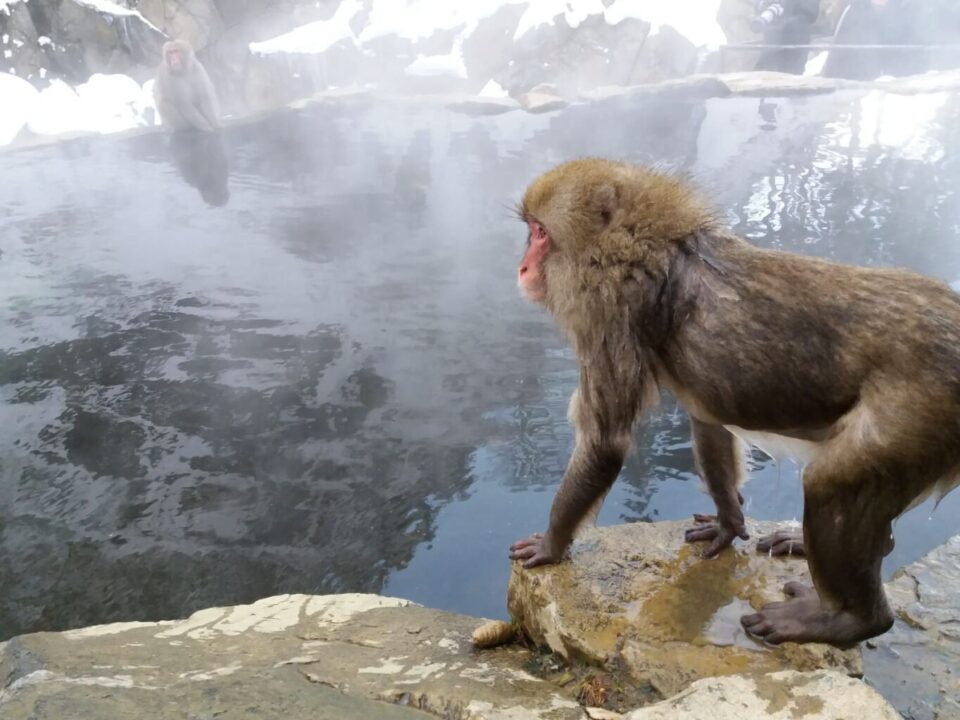
Sogo Hara, an avid, local hiker, recognized that this conflict required a different solution. Rather than simply relocating or eliminating the macaques, the community created Jigokudani Yaen-koen as an unfenced sanctuary where the troop could thrive while offering humans the opportunity to observe these remarkable primates.
The Architecture of Macaque Society
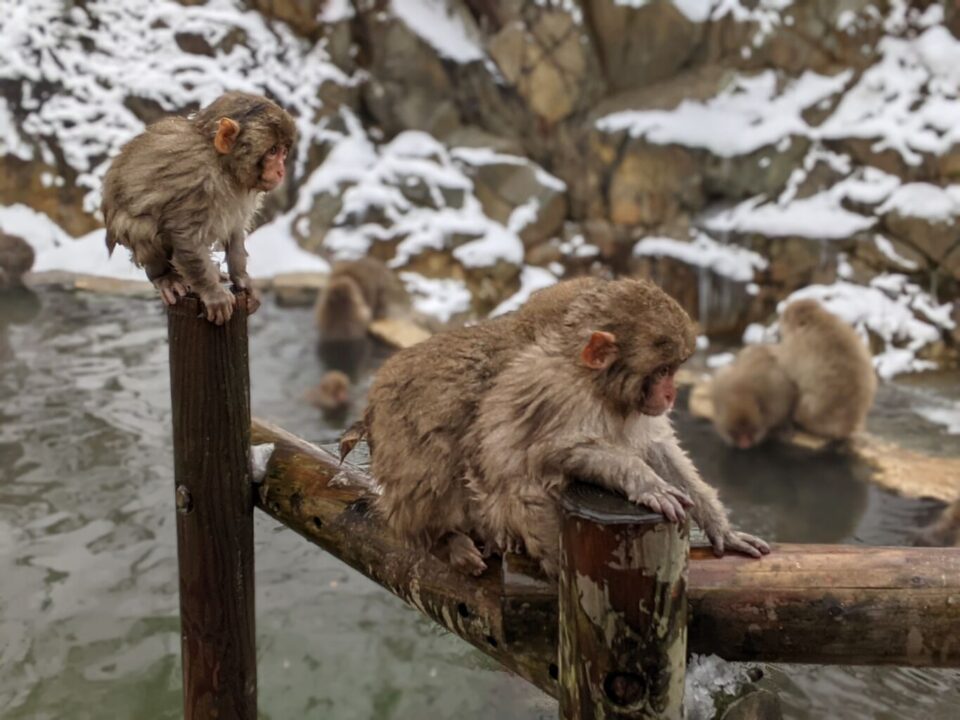
Japanese macaque society operates on strict hierarchical structures. Troops typically consist of 20 to 100 individuals, organized around matrilineal lines where females remain with their birth group throughout their lives while males disperse upon reaching maturity. Female macaques inherit rank just below their mother's position in the dominance hierarchy.
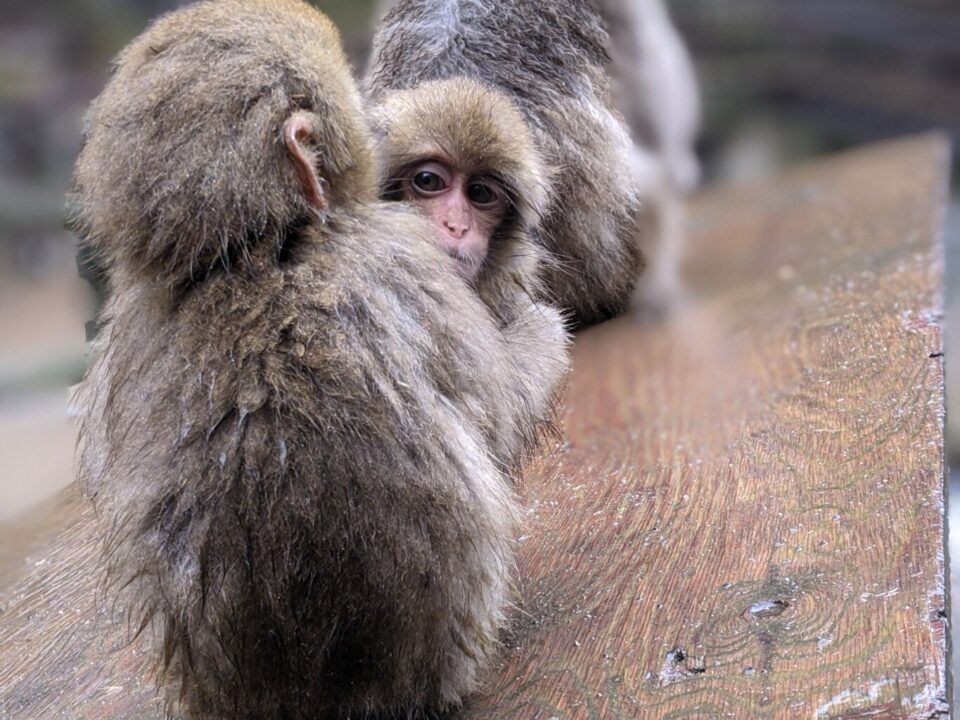
The social structure centers on matrilineal family groups, where experienced females guide foraging decisions and maintain group cohesion. Mothers teach their young not just survival skills but cultural behaviors that distinguish one troop from another. This cultural transmission has proven particularly important at Jigokudani, where learned behaviors have spread through generations.

The Hot Spring Discovery
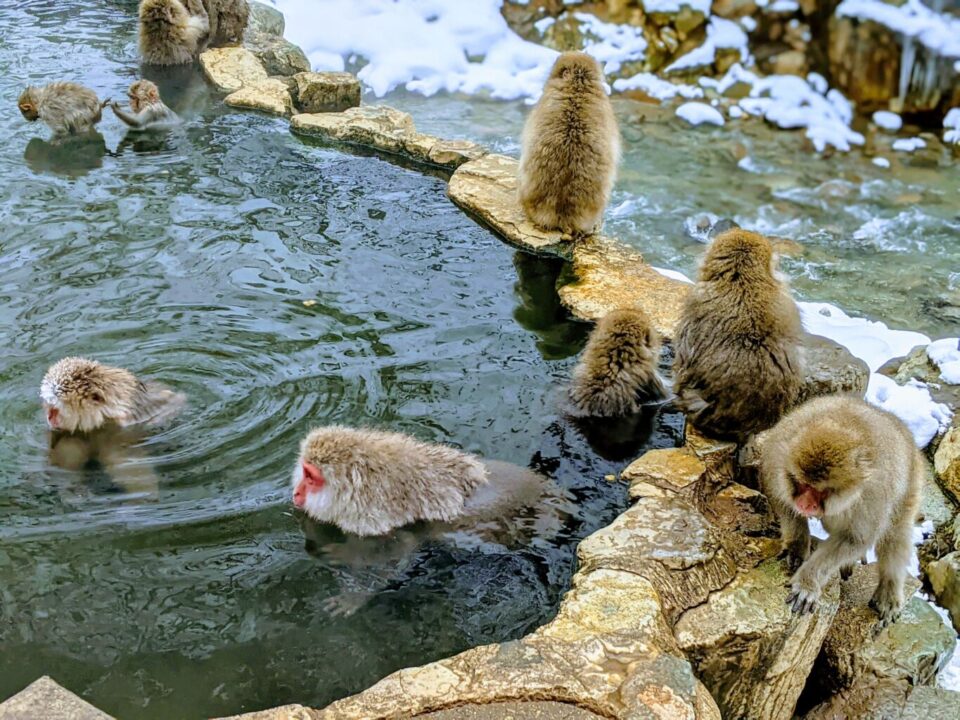
The macaques' relationship with hot springs began out of curiosity in 1963, when a young female macaque (most likely) discovered the warmth of a natural hot spring. Over time, this behavior spread throughout the troop and gradually became embedded in their cultural repertoire.
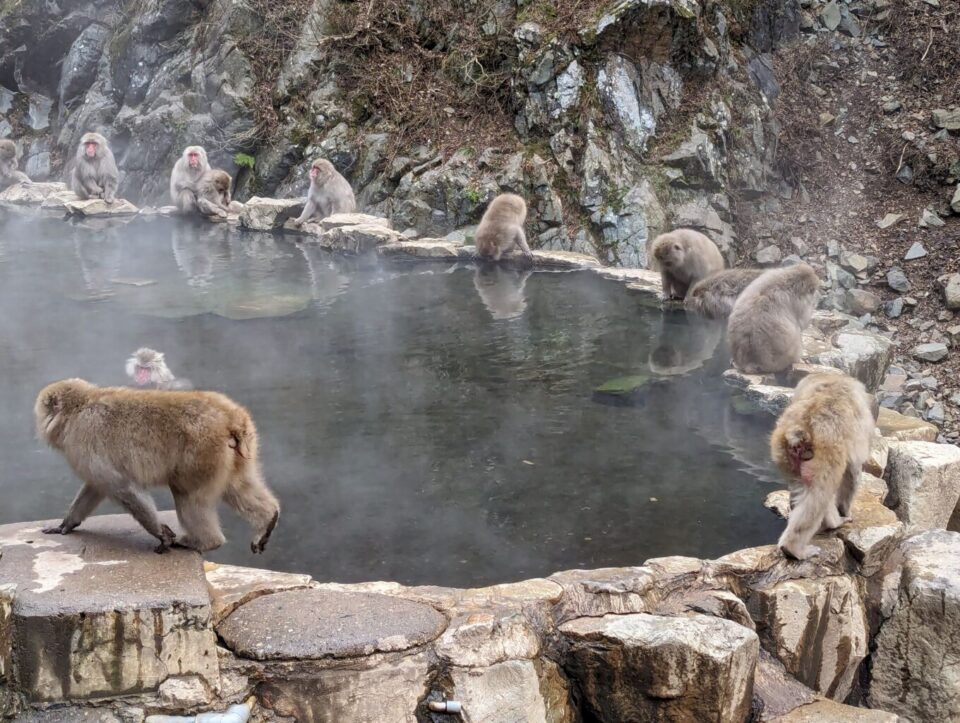
The bathing behavior serves multiple functions beyond simple thermoregulation. While the warm water provides relief during brutal mountain winters, the hot springs also function as social spaces where grooming, play, and bonding occur. Young macaques learn bathing etiquette by watching their mothers and other adults.
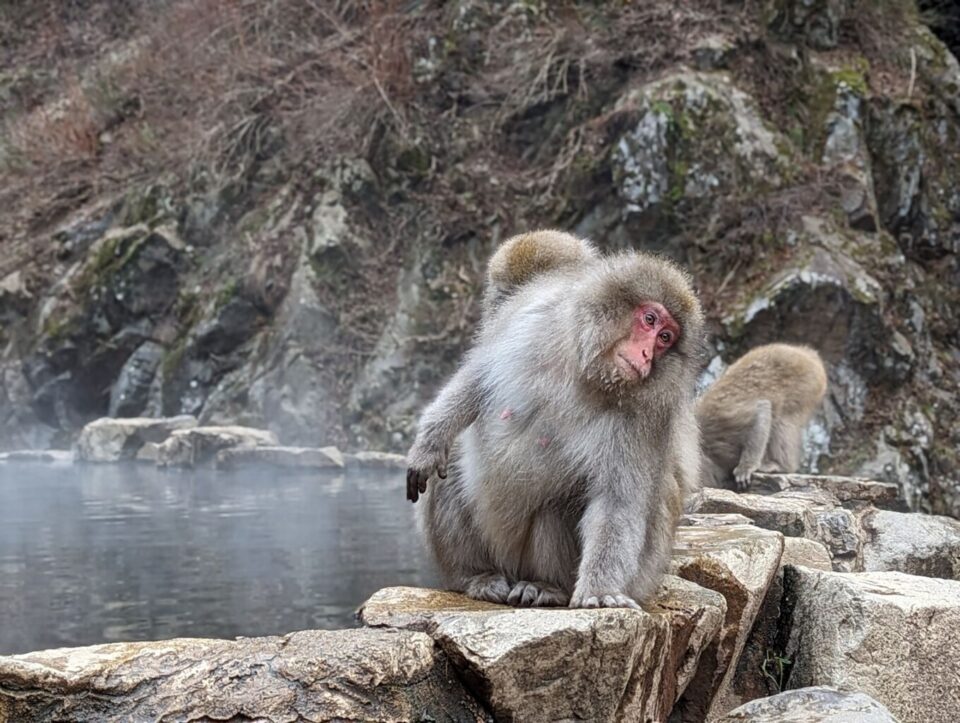
Not every monkey bathes, and not every individual who tries it continues the practice. This selectivity underscores that hot spring bathing represents a cultural adaptation rather than an instinctive behavior.
Surviving Japan's Harshest Seasons
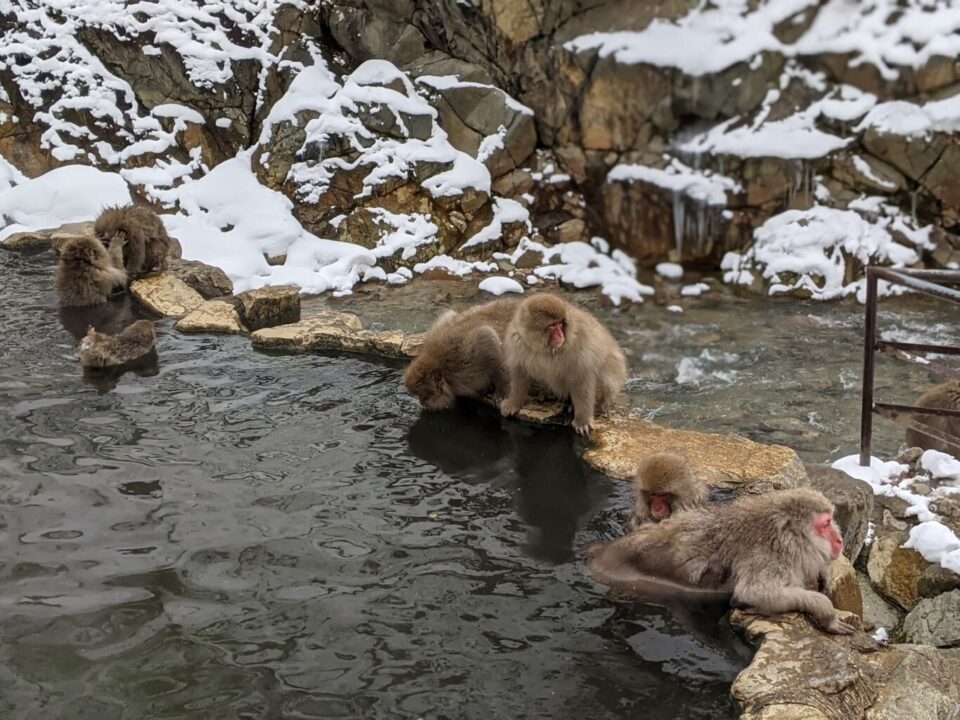
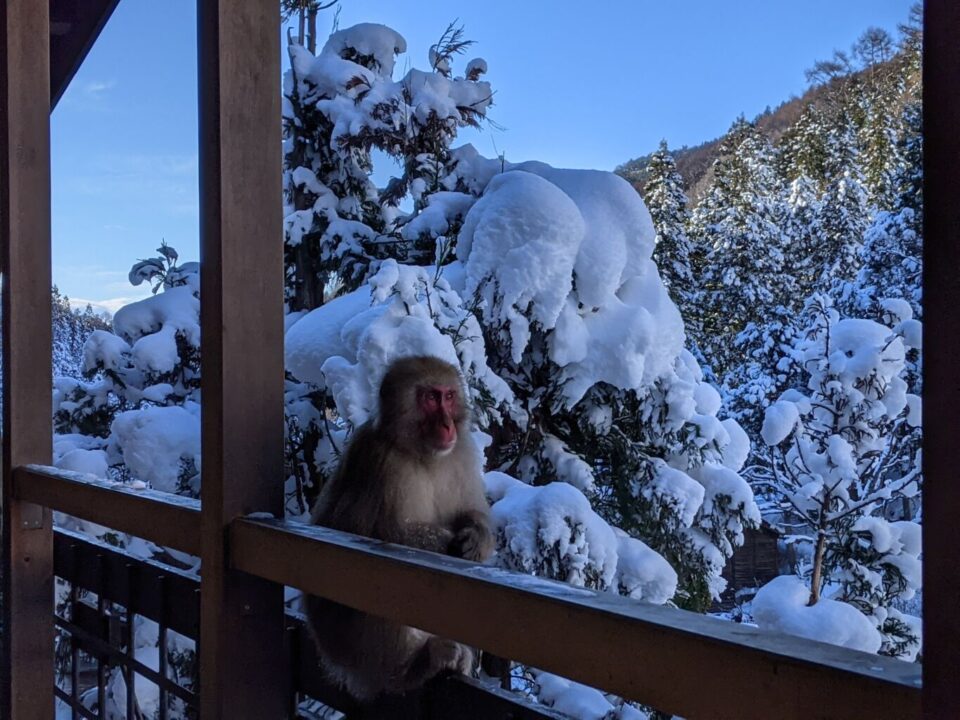
No other monkey species lives year-round in such cold, snowy environments. These Japanese macaques have developed remarkable adaptations for surviving harsh winter temperatures and heavy snowfall. Their thick, dense fur grows heavier in winter, providing insulation that rivals Arctic mammals. During blizzards, macaques huddle in tight groups, sharing body heat.
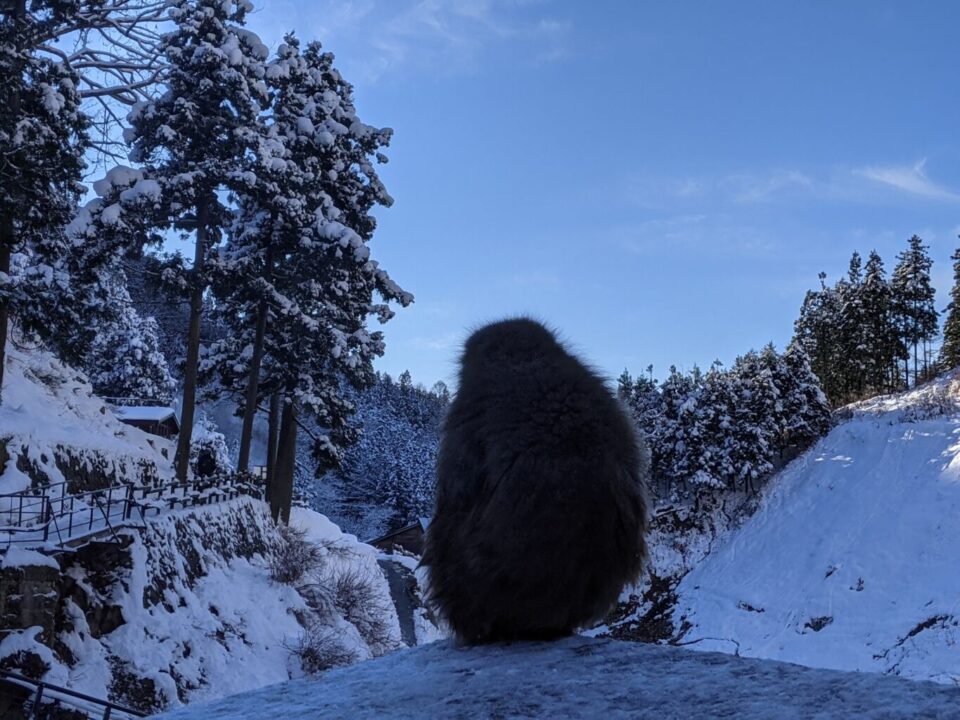
Food becomes scarce during winter months, forcing the troop to adapt their diet dramatically. Spring and summer bring abundant fruits, plants, and insects, but winter survival depends on bark, roots, and whatever plant matter remains accessible beneath the snow.
Conservation and Coexistence
Japanese macaques are classified as Least Concern by the IUCN, reflecting successful conservation efforts across Japan. The macaques play vital ecological roles through their largely fruit-nut-seed diet, dispersing seeds throughout their habitat and encouraging new plant growth.
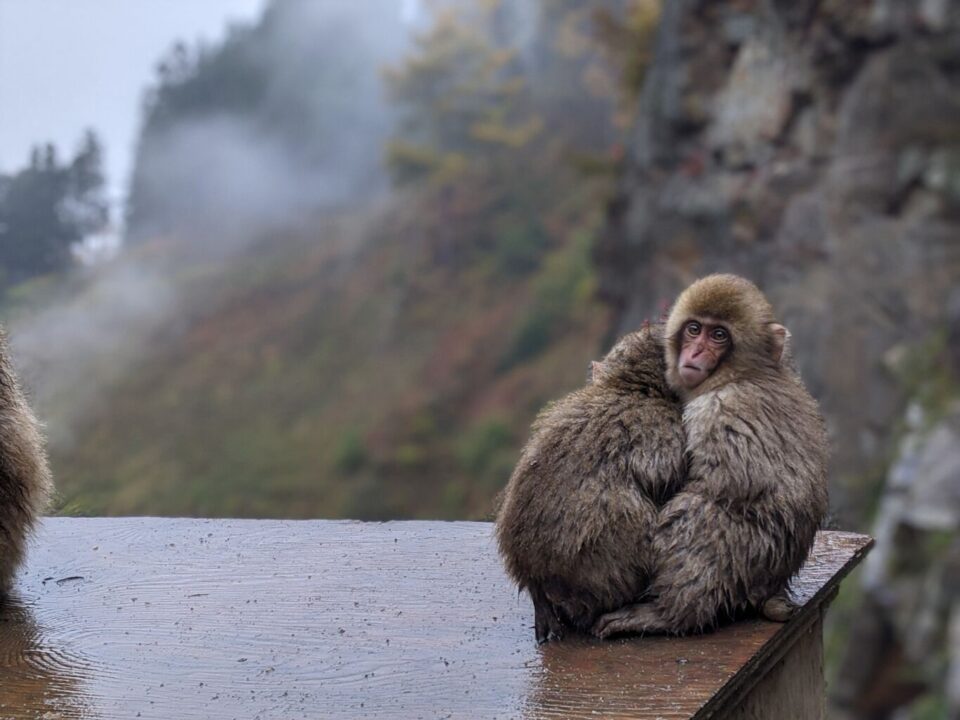
The relationship between macaques and human visitors reflects decades of careful management. The monkeys have grown remarkably tolerant of human observers who maintain respectful distances. Strict park rules for humans prohibit feeding, restrict flash photography, and require visitors to remain on designated paths.
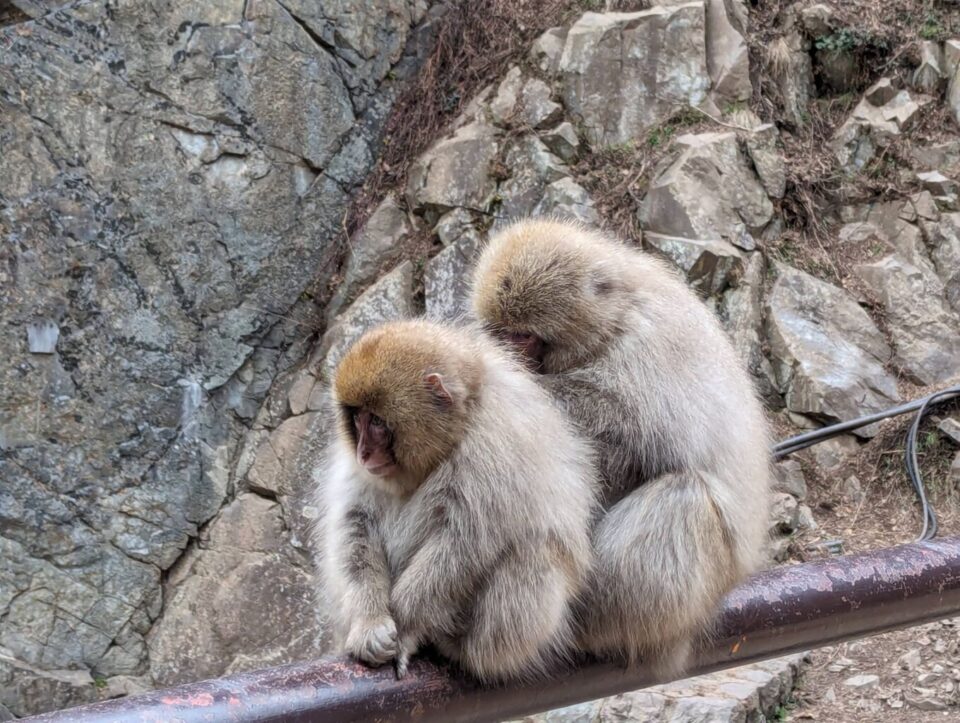
Climate change presents the greatest long-term challenge, potentially altering the harsh winter conditions that have shaped these remarkable adaptations. However, the park's management model offers lessons for wildlife conservation worldwide, demonstrating how human-wildlife conflict can transform into cooperation.
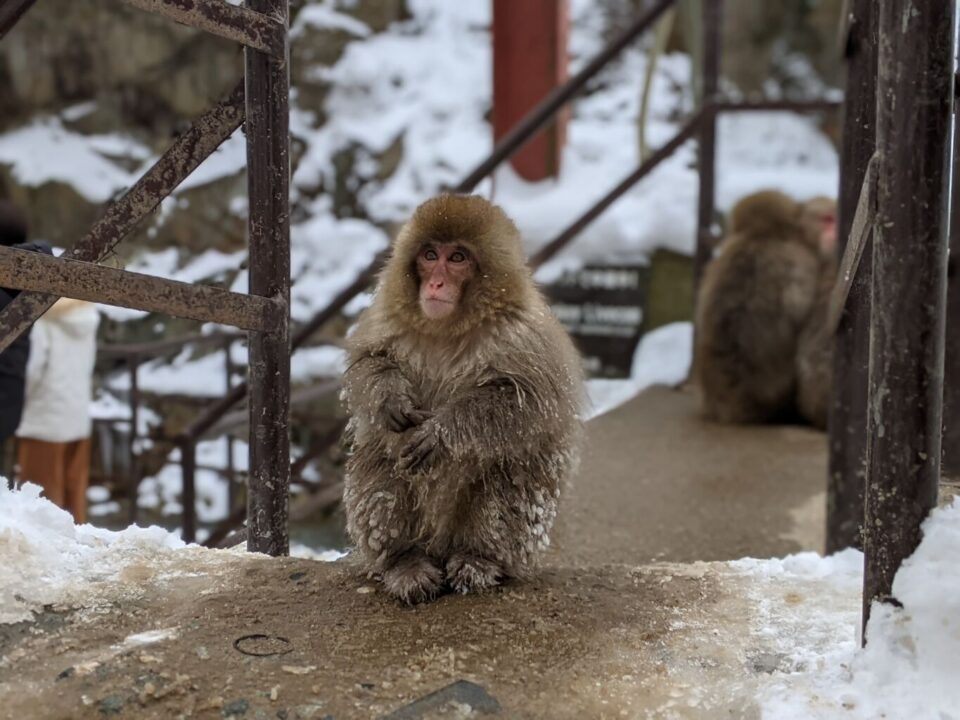
Standing at the edge of Hell Valley on a winter morning, watching steam rise from hot springs while snow monkeys go about their daily routines, visitors witness something rare in our rapidly changing world: a place where human presence has actually enhanced rather than diminished the natural wonder. The macaques remind us that adaptation and resilience can create beauty in the most unlikely circumstances, and that sometimes our greatest conservation successes come not from leaving nature alone, but from finding ways to share space respectfully with our fellow creatures.

 Page Top