
In late November when the snow starts to dust Nagano's peaks and the valleys sparkle with morning frost, the prefecture transforms into terrain made for walking. The cold brings clarity to mountain views and stillness to temple grounds, while frozen waterfalls and snow-draped castle walls create scenes that belong only to these months. From Matsumoto's castle town to Nagano City's temple precincts, winter walking in this region rewards those who bundle up and step outside.
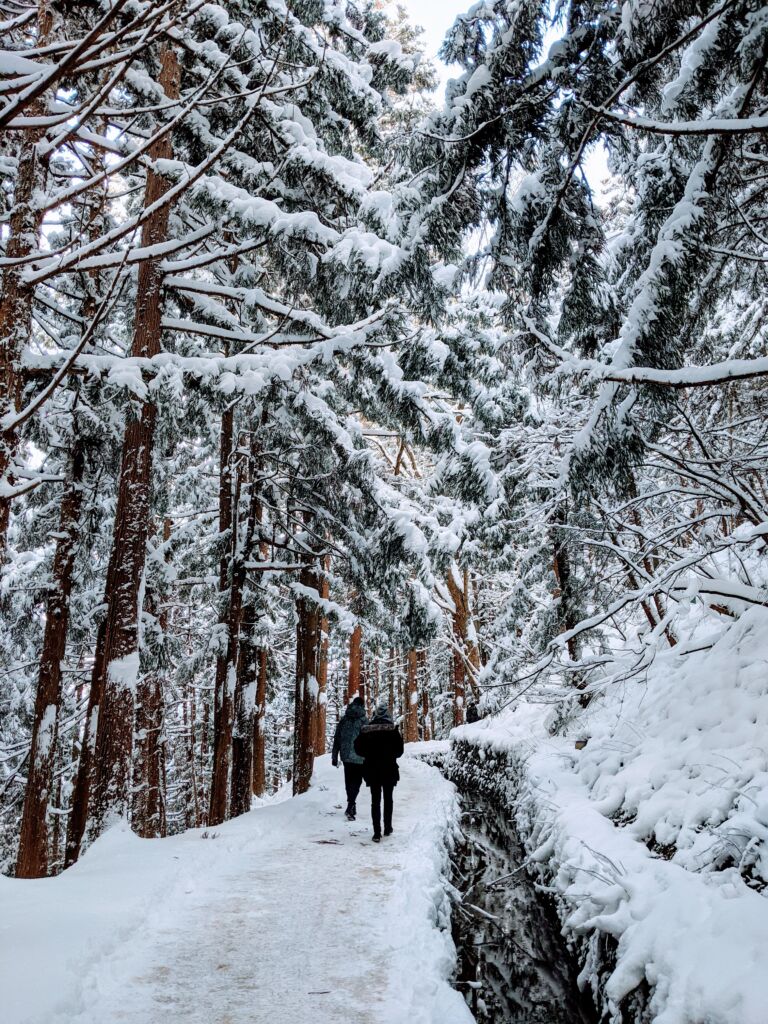
Zenkoji Temple
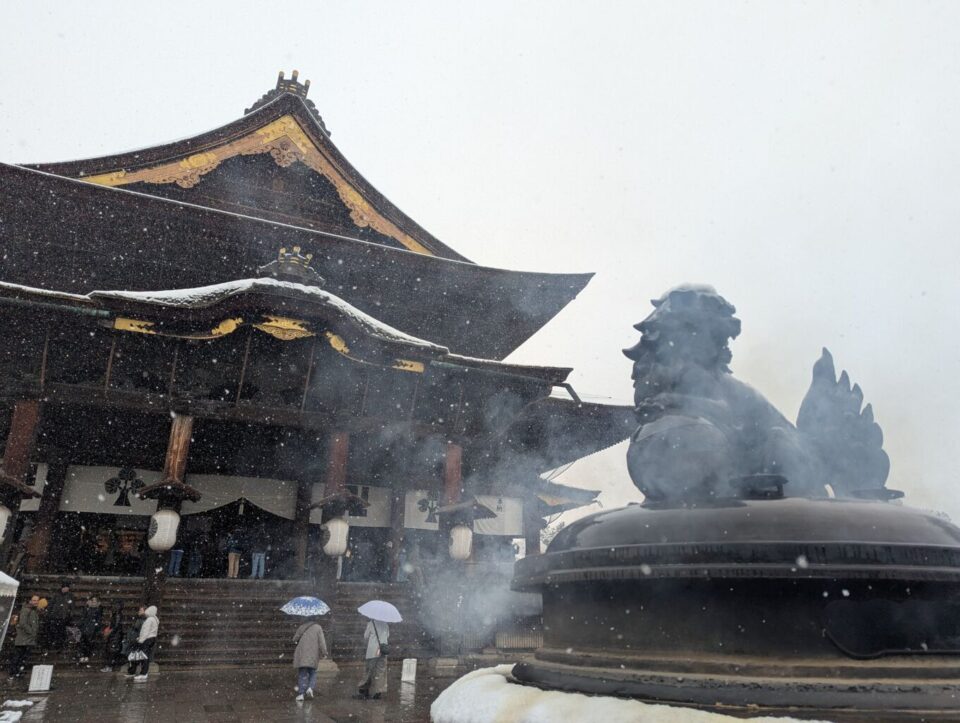
The approach to one of Japan's most important Buddhist temples becomes a different walk under winter skies. From Nagano Station, the 30-minute path north leads through Daimyocho-dori, which lights up during December and January illuminations, then onto the temple grounds themselves. Snow settling on the massive wooden gates and temple roofs creates the quintessential winter temple scene, and the morning service draws devoted visitors regardless of temperature. The main hall stays open and heated, offering a break from the outdoor cold, while the underground passage beneath, where pilgrims search in complete darkness for a sacred key, provides an experience unchanged by season.
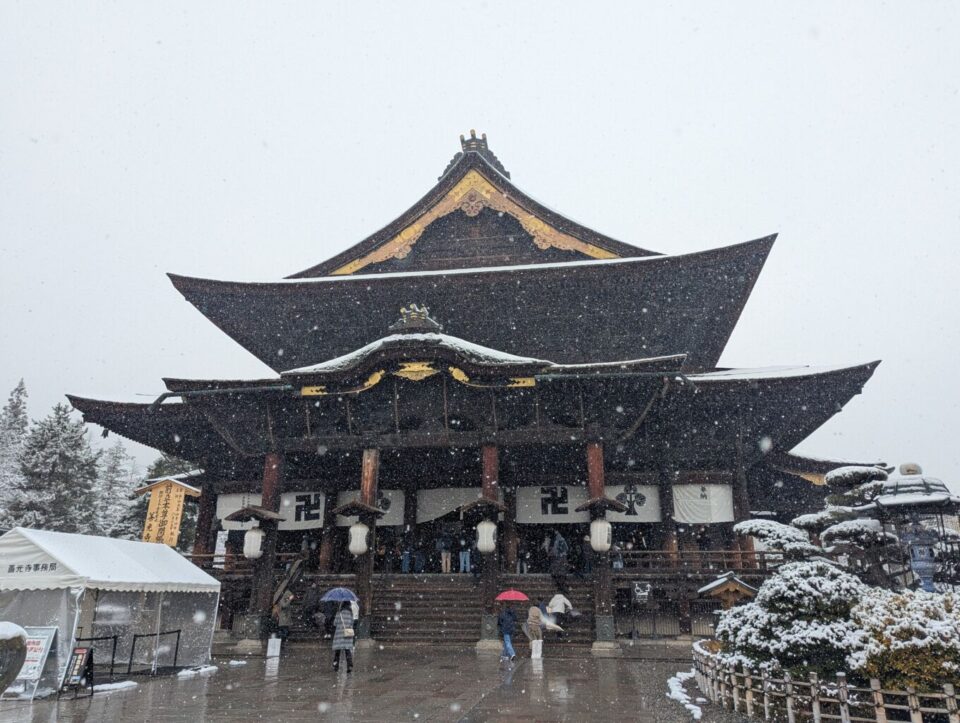
Winter visits means less crowds and more space to appreciate the architecture, and better opportunities for photographs without crowds blocking the frame. The walk back through town passes restaurants serving toji soba, warm buckwheat noodles perfect for cold days.
Nakamise Street
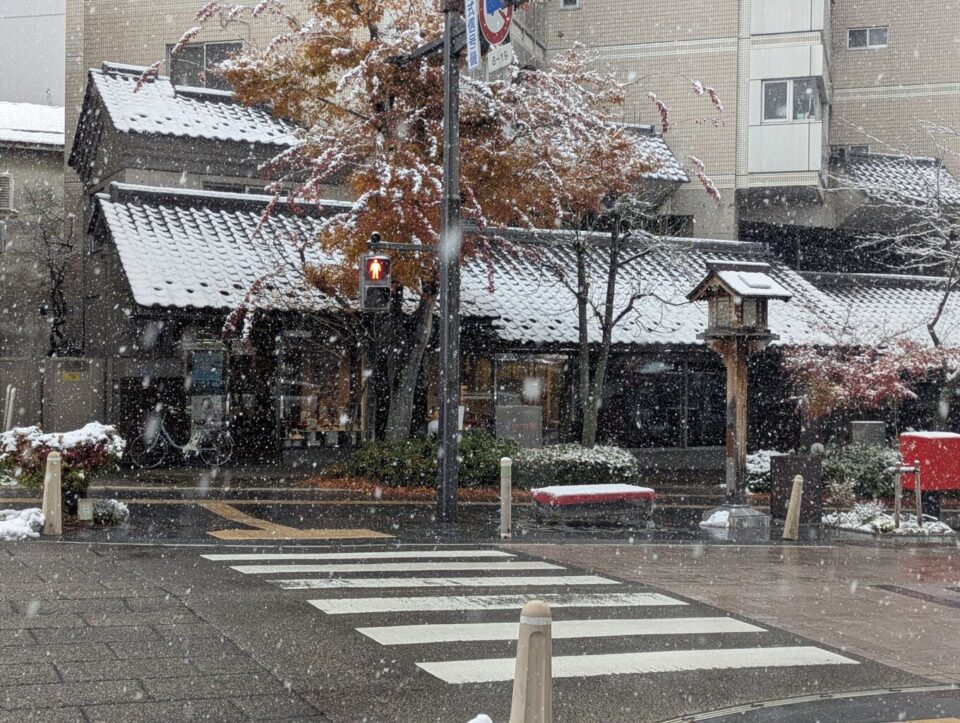
This 400-meter shopping street forms the heart of Zenkoji's approach, running between the outer Niomon gate and the temple's main Sanmon gate. Winter doesn't shut down the shops. Most open by 9 or 10 AM and stay accessible through afternoon. The wooden storefronts and traditional architecture look particularly striking when snow accumulates on eaves and signboards. Vendors sell Nagano specialties: shichimi togarashi spice blend created here over 270 years ago, fresh oyaki dumplings filled with vegetables or sweet bean paste, miso soft-serve ice cream for those who find cold weather no obstacle to frozen treats. Buddhist items and altar fittings fill several shops, along with omamori charms for protection and luck.
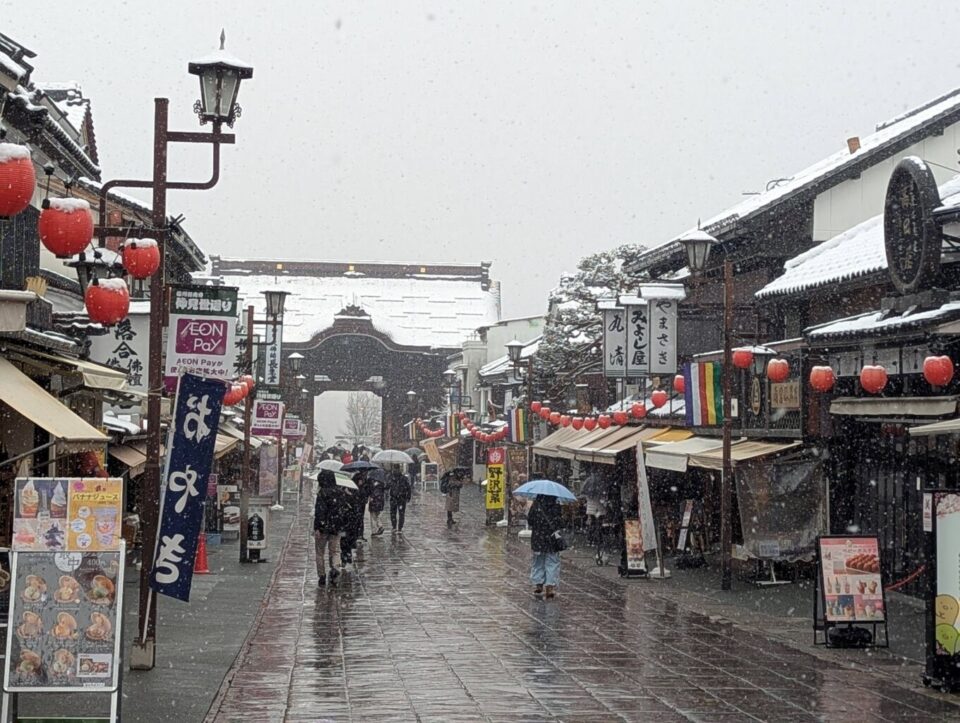
The street stays pedestrian-only, so you can walk straight down the center without worrying about traffic, and the pace naturally slows when you stop to sample food or browse craft stores. Enmei Jizo and the Roku Jizo sit about halfway along, yet don't seem to suffer in the cold and snow. The walk takes 10 minutes if you're just passing through, an hour or more if you actually explore what's on offer.
Snow Monkey Park
The walk to see Japanese macaques bathing in natural hot springs begins 1.6 kilometers from the Kanbayashi Onsen parking area, following a forest trail that climbs gently through the Jigokudani valley. Winter makes this the park's peak season. The "Snow Monkeys" gather at the hot spring pool when snow blankets the landscape, creating the iconic scene that has made this place famous.
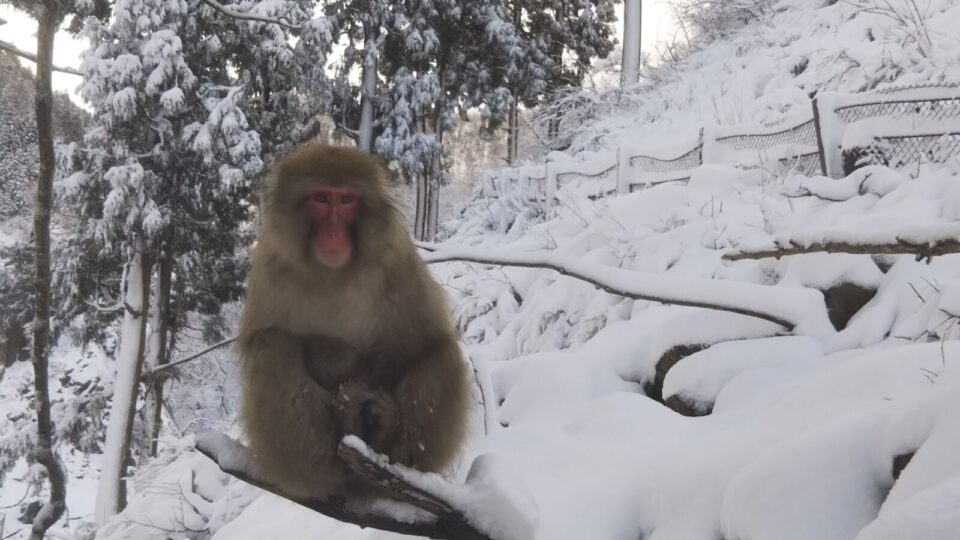
The trail takes 30 to 40 minutes and stays passable year-round, though ice and packed snow mean proper winter boots or good hiking shoes are essential. The park entrance rents crampons and walking poles, and the shop at Kanbayashi Onsen offers snow boots and jackets for those unprepared. The path follows the Yokoyu River past cedars and pines, with occasional glimpses of geothermal steam rising from valley springs.
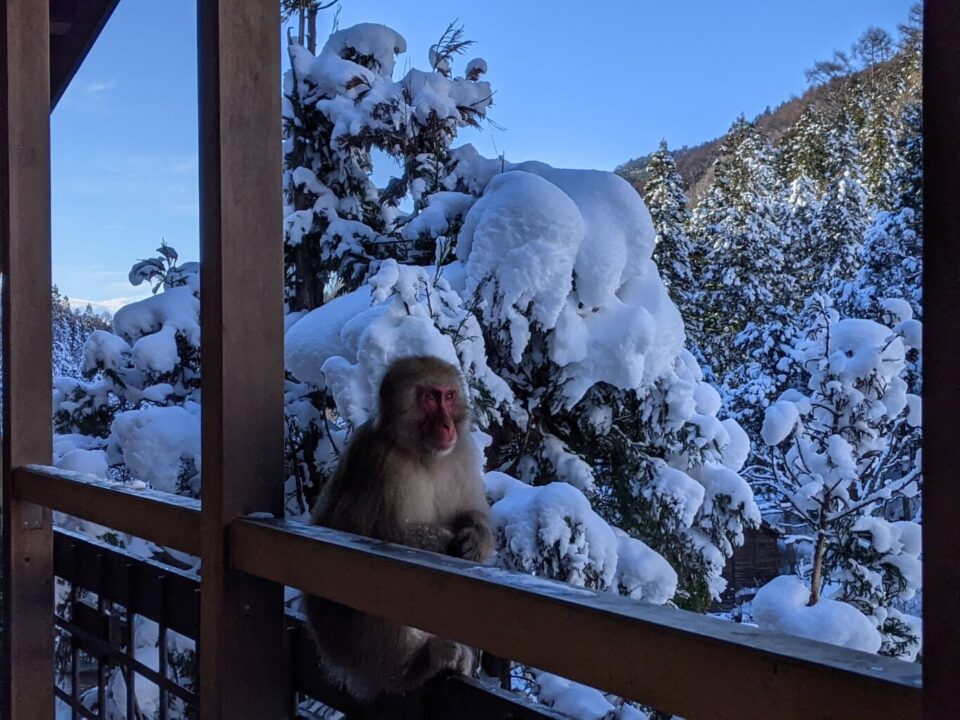
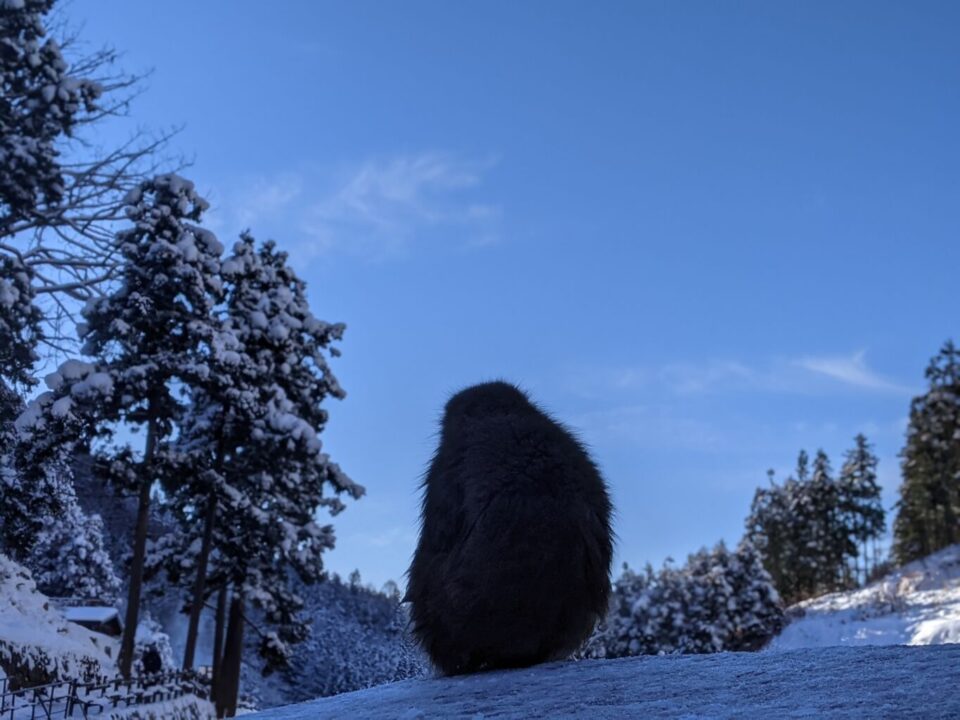
You'll often encounter monkeys before reaching the main pool. Monkeys move freely through the valley and pay little attention to humans. At the pool itself, troop members soak in the hot water while others sun on surrounding rocks or forage along the edges. Watching them is a waiting game, as their schedule follows instinct rather than visitor expectations. The park stays open year-round (9 AM to 4 PM in winter), but mornings typically see more monkeys. The walk back follows the same trail, and nearby Shibu Onsen offers traditional bathhouses for your own soak after watching the macaques.
Hakuba Valley
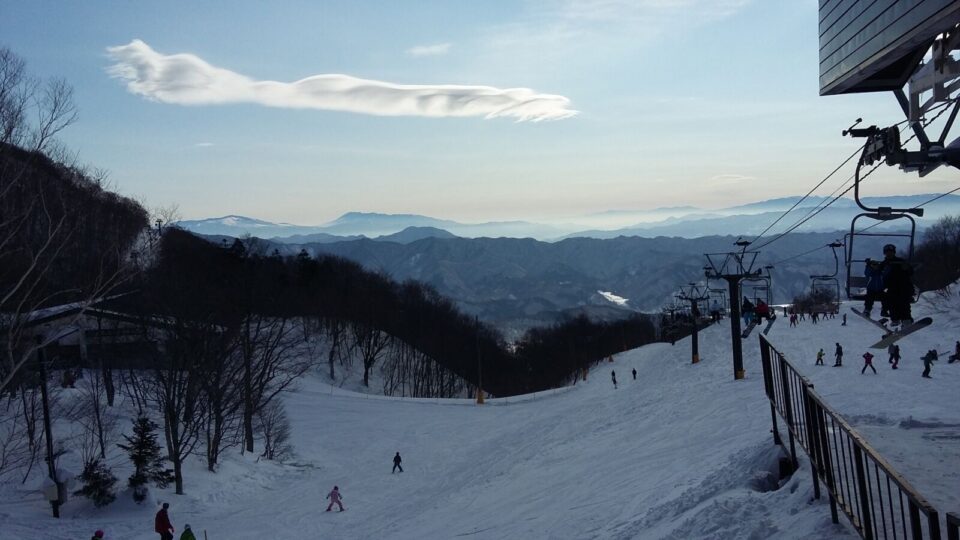
Known internationally for its ski resorts and hosting the 1998 Winter Olympics, Hakuba Valley also offers extensive winter walking through forests and along mountain ridges blanketed in some of Japan's deepest snow. Snowshoe trails fan out from multiple access points, with Iwatake Mountain Resort providing one of the most accessible options via an eight-minute gondola ride to 1,289 meters. From the upper station, three forest courses lead through birch and hemlock groves where powder accumulates meters deep, and the trails stay relatively gentle for those new to snowshoeing.
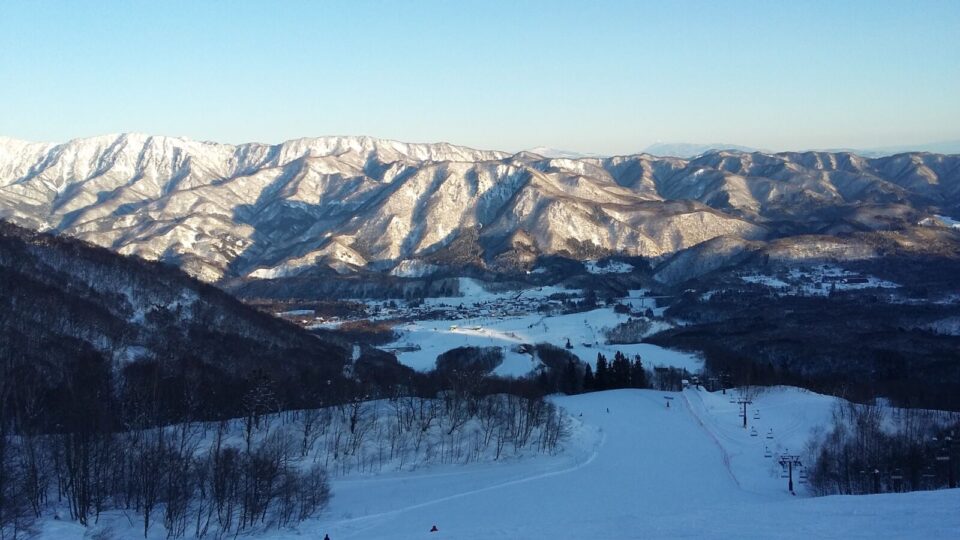
Guided tours run daily from several operators including Evergreen Outdoor Center and local lodges, with half-day and full-day options that include equipment rental and instruction. Routes range from easy valley walks along the Matsu River to more challenging ridge trails on Mount Happo, where cairns mark safe passage and views stretch across the entire Hakuba Valley to the Northern Alps beyond. Winter walking here means spotting animal tracks in fresh snow, pausing for hot tea breaks in forest clearings, and experiencing the silence that only deep snow creates.
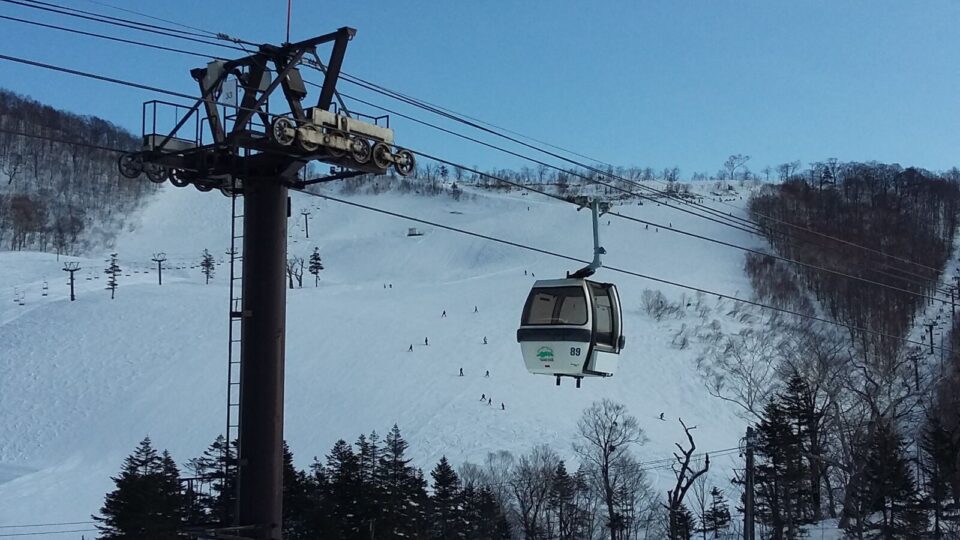
The village's proximity to Nagano Station (70 minutes by express bus) makes it practical for day trips, though staying overnight in one of Hakuba's many lodges lets you access trails early before other visitors arrive. Most rental shops provide complete snowshoe packages including poles and boots, and the season runs from December through March when snow conditions stay reliable.
Matsushiro
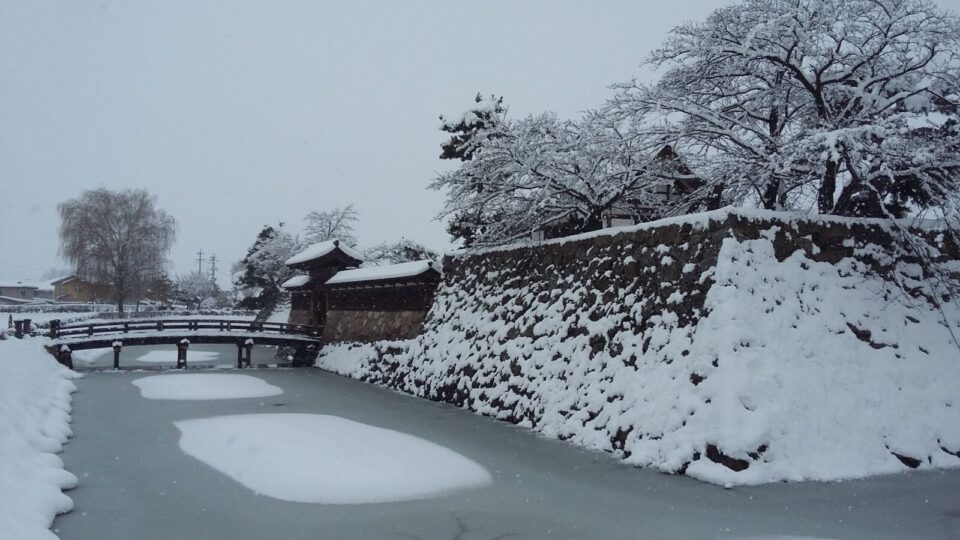
This former castle town sits 12 kilometers south of Nagano City and deserves a half-day minimum, though you could spend longer walking between samurai residences and historical sites. Matsushiro Castle ruins anchor the area with reconstructed gates and stone walls rising from the moat, and winter snow accumulating on the battlements creates scenes that justify the 30-minute bus ride from Nagano Station. The castle grounds stay open year-round and free to explore, with information boards explaining the Sanada clan history dating to 1622.
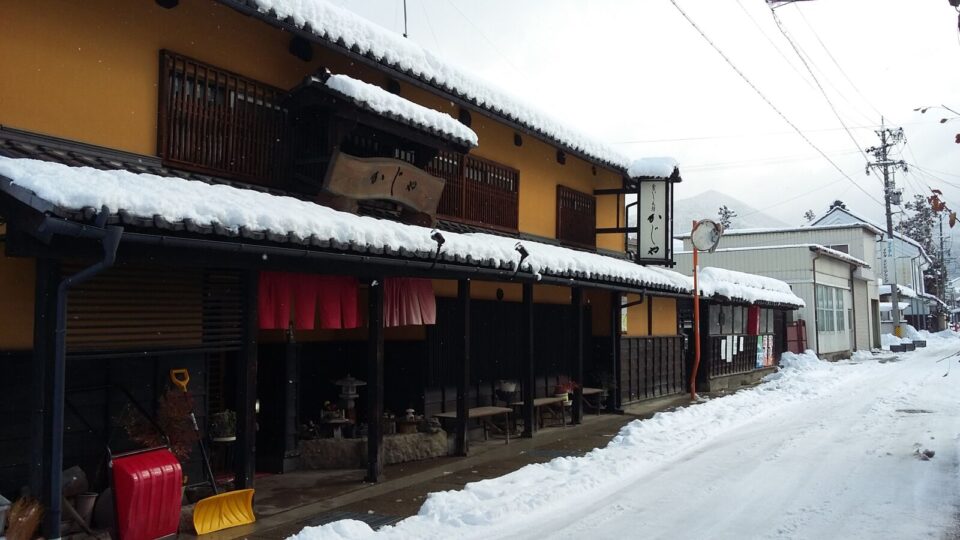
From the castle, walking paths lead to the Sanada Residence, an elegant Edo-period mansion, with tatami rooms overlooking gardens that look particularly refined under winter snow. The Sanada Treasure Museum displays armor, swords, and clan artifacts in a compact building that makes for a warming break from outdoor cold. Matsushiro Bunbu School, where young samurai studied literary and martial arts, stands intact with its dojo and archery range preserved. These sites cluster within walking distance, and the town's quiet streets show Edo-period architecture without the tourist crowds of more famous destinations.
The Zozan Underground Vaults are tunnels dug during World War II as emergency imperial headquarters. They lie about 20 minutes' walk from the castle and stay at a constant 14-15°C year-round, which feels warm in winter, cool in summer. The tunnels represent a darker historical chapter but add depth to understanding the area's full story. Winter visits mean you'll likely have many sites nearly to yourself, and the compact layout makes walking practical even when paths ice over with proper footwear.

 Page Top