
Nagano Prefecture is a place where geography once shaped everyday meals. In many mountain districts, rice cultivation was difficult, so households leaned on wheat and buckwheat and the vegetables they could grow, dry, or pickle. Out of that practical food culture came oyaki, a filled bun that is still treated as everyday food in Nagano, even as it has become known beyond the prefecture.
Everyday culture
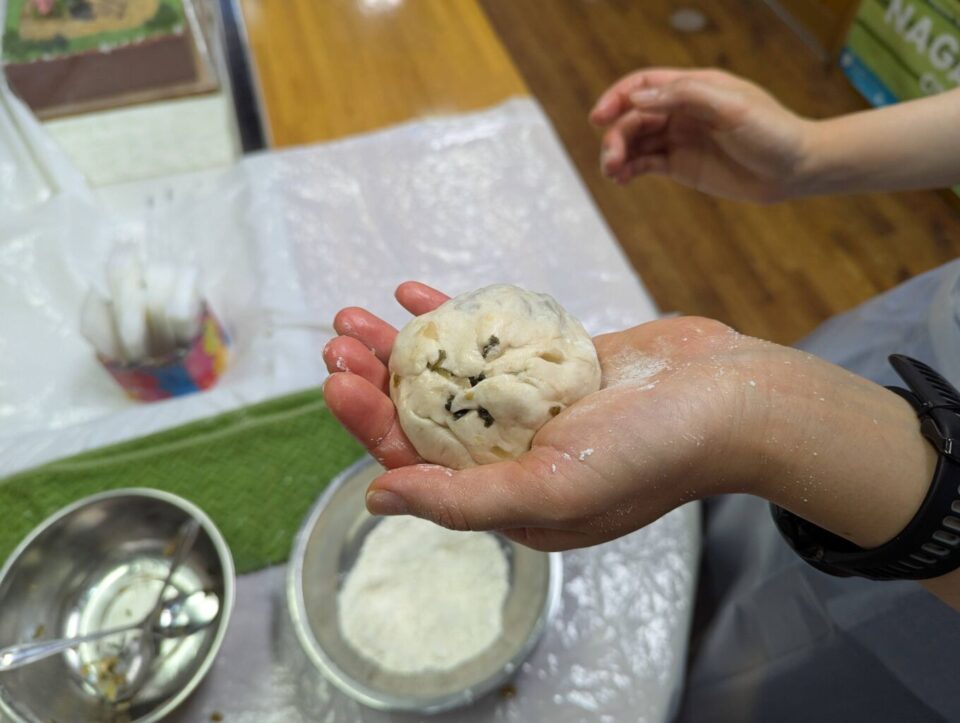
In its best-known Shinshu style, oyaki is made by mixing wheat flour and buckwheat flour with water, kneading it into dough, wrapping it around seasonal fillings, and cooking it until the outside sets and becomes fragrant. Depending on the area and the household, the cooking method can be baked, steamed, or a combination of both. The idea is simple, but the variations across Nagano are wide enough that locals sometimes talk about oyaki the way they talk about dialects: familiar, but different from valley to valley.
Where oyaki comes from
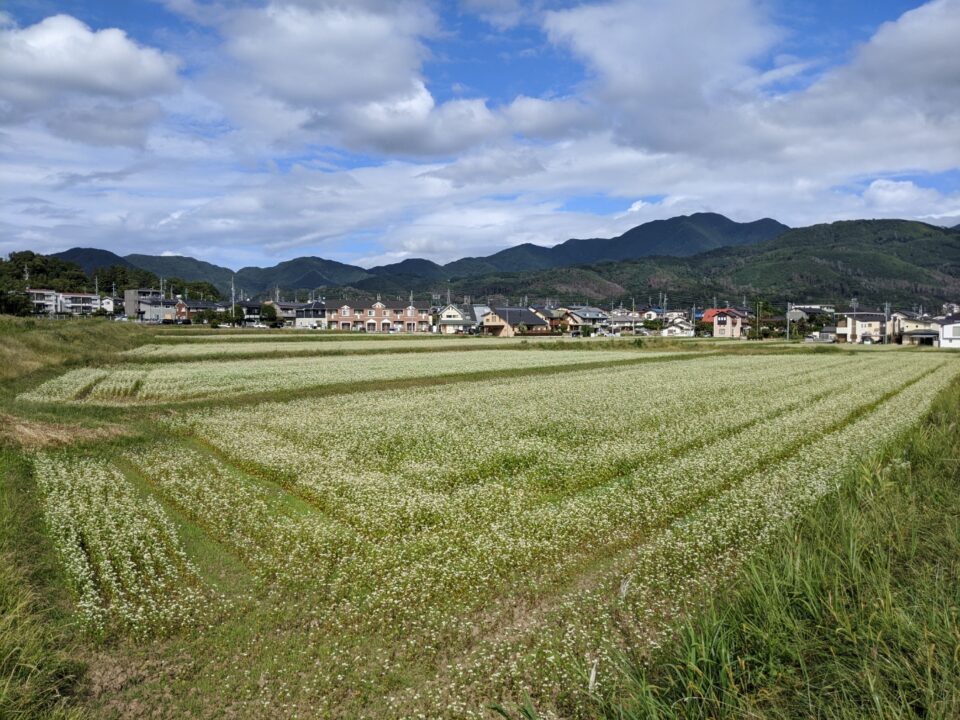
Official regional cuisine records in Japan describe oyaki as a representative local dish of Shinshu (the old name for Nagano Prefecture) and place its origins in the Nishiyama area of Kamiminochi District. That origin story is tied to the everyday realities of mountain life. In places where rice was less reliable, wheat and buckwheat became essential crops, and flour-based meals helped fill the gaps.
One detail that often gets overlooked is that oyaki was not originally a specialty snack. It was a working food. It could be made year-round, filled with whatever was available, and eaten as part of daily meals. In northern Nagano, oyaki is also closely linked with seasonal customs. It appears in Bon Festival contexts, including household offerings, which hints at how a practical food can also become part of community and ritual life.
The hearth method that shaped the name
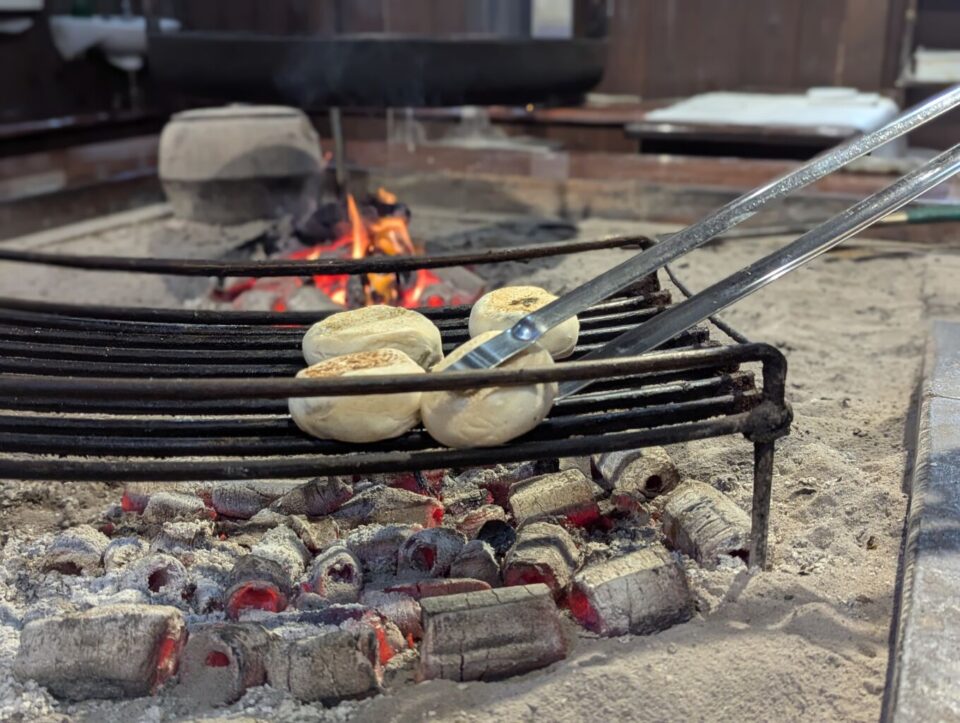
Before modern kitchens, the irori hearth was the center of the home. In the Nishiyama region, a traditional approach was to bake the surface of the oyaki using an iron pot known as a horoku, then finish it by steaming it in the warm ashes of the irori. Ashes were brushed off before eating. This method is described as the former mainstream style and is often referred to as ha-yaki oyaki (ash-baked oyaki).
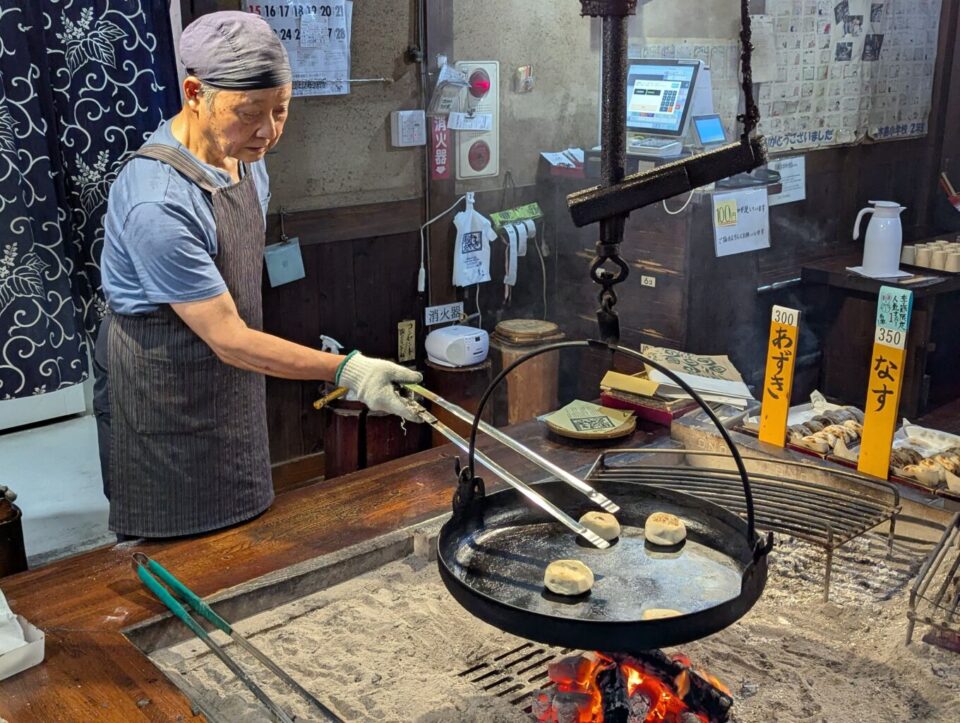
As oyaki spread from villages into towns, the cooking expanded into several common styles: steaming, baking, baking then steaming, and steaming then baking. That spread is one reason oyaki is both deeply local and widely available. It can be home food, shop food, and souvenir food without losing the idea of how it started.
Classic seasonal fillings
Ask people in Nagano what belongs inside oyaki and you will hear a roll call of preserved and winter-friendly ingredients. Eggplant seasoned with miso, mushrooms, pumpkin, and dried daikon radish appear again and again in official descriptions of the dish. You will also see nozawana greens in many shops, a reminder that pickling and preservation are vital in mountain cooking.
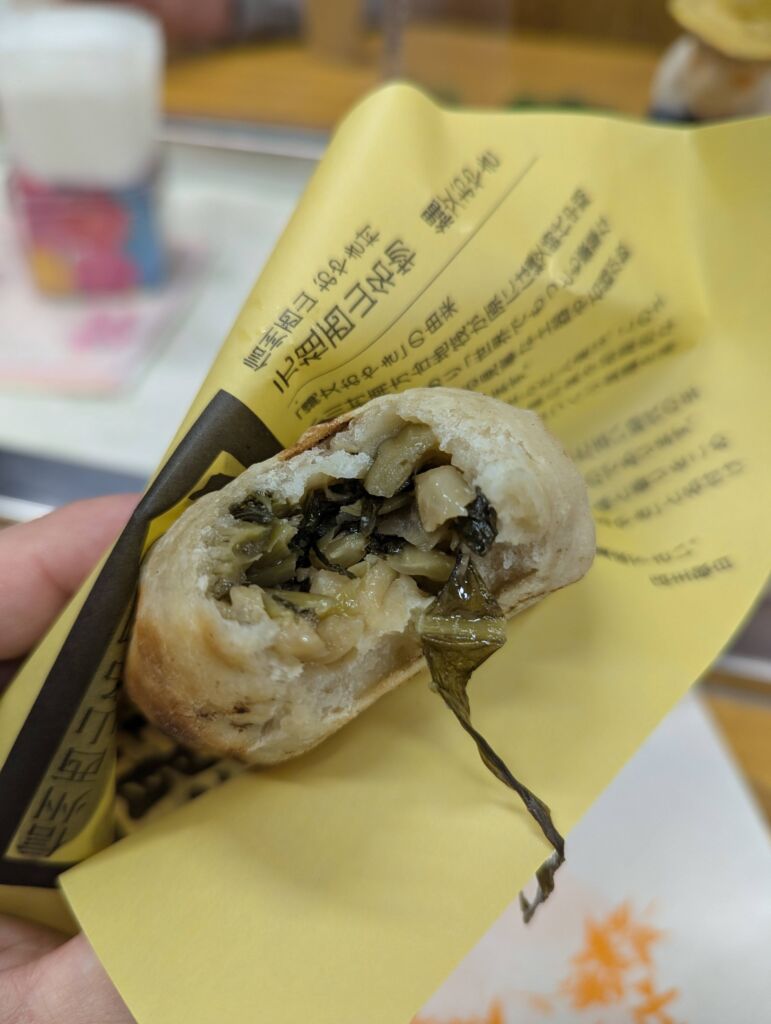
That does not mean oyaki is stuck in the past. The fillings shift with the seasons and with the style of the maker. Some are straightforward, built around one ingredient. Others blend several. What stays consistent is the balance: enough dough to hold heat and texture, and enough filling to feel like a complete bite rather than a small taste.
From home staple to cultural heritage
Oyaki’s modern status is not an accident. In 1983, Nagano Prefecture began registering certain local dishes as selected intangible folk cultural properties, an unusually early step for treating food itself as cultural heritage. National and prefectural-level materials note that oyaki dumplings have been on that register since 1983, alongside other Nagano staples. The point was not to freeze recipes, but to recognize food traditions as something worth documenting and passing on.
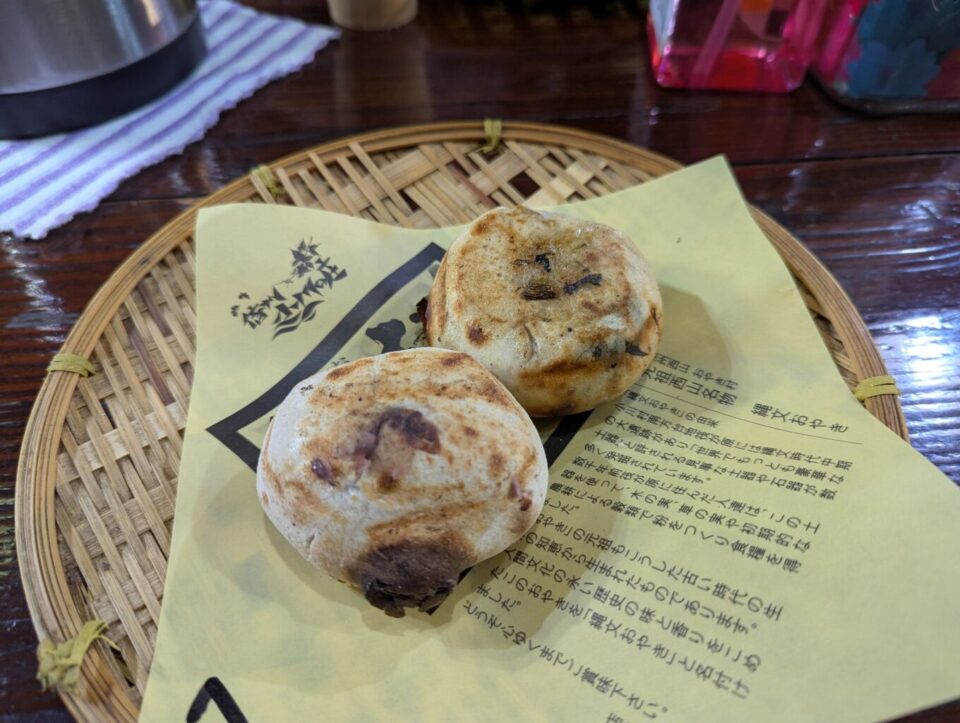
That recognition also helped oyaki travel. As Nagano’s food culture became more visible beyond the prefecture, oyaki shifted from being mostly homemade to being something you could buy, compare, gift, and carry on a train. Today you will find it in shops and specialty counters, but the appeal still comes from the same place: a warm bun that has that homemade taste.
What we say about Nagano’s Oyaki
Oyaki lasts because it still does what it always did. It’s practical food shaped by terrain, winters, and what people could grow and store. It’s warm, filling, and built around ingredients Nagano has long relied on.
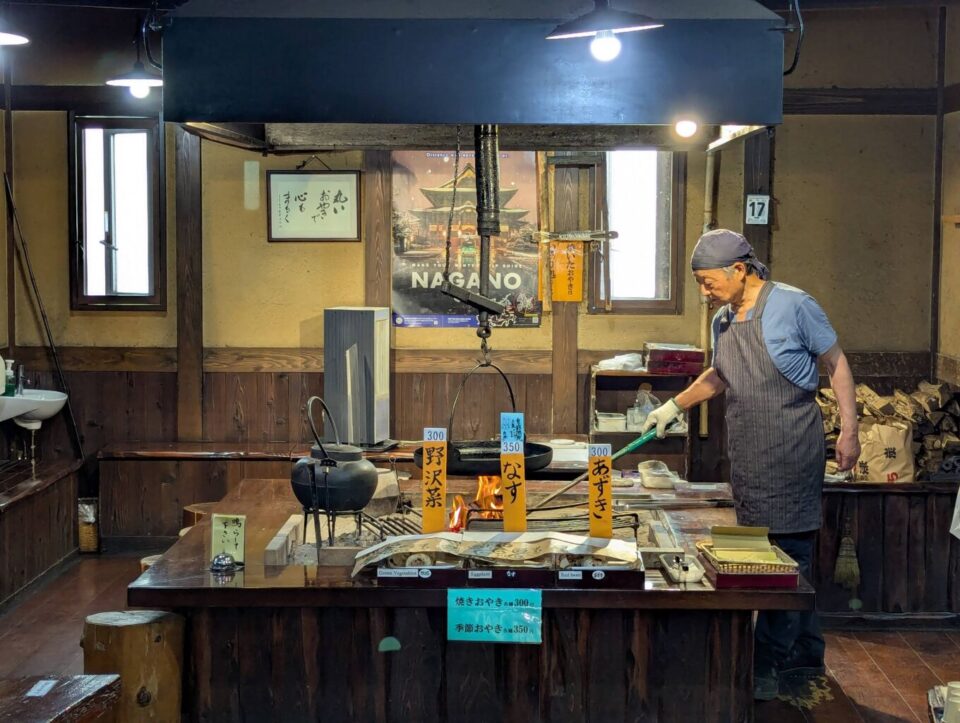
It’s easy to describe regional dishes as if they exist mainly for visitors. Oyaki pushes back on that. In Nagano, it has remained normal food, sold in shops and made at home, eaten because it’s satisfying. When you buy it from a place like Ogawanosho that still emphasizes hearth cooking, you’re not chasing a trend. You’re eating something locals have kept alive because it’s just a part of daily life. Join our Oyaki tour to sample one of the most beloved local foods!

 Page Top