
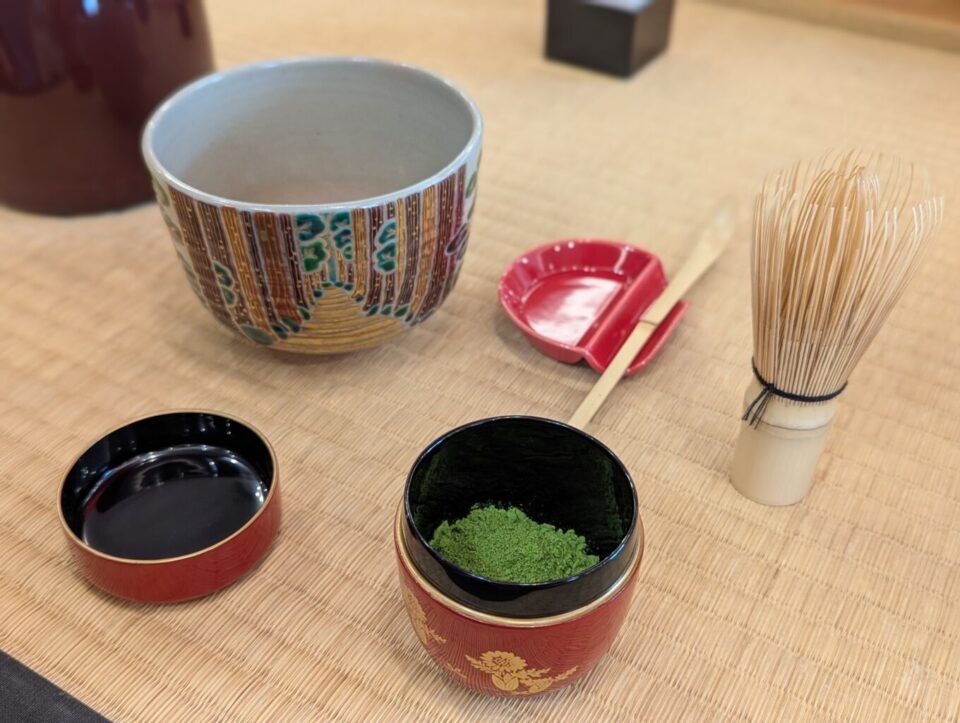
Tea arrived in Japan from China in the eighth century, carried by Buddhist monks who valued the beverage for its medicinal properties and its ability to sustain alertness during meditation. By the twelfth century, the Zen monk Eisai had helped popularize powdered green tea (matcha), and tea drinking began to spread beyond temple walls. What started as a monastic practice gradually evolved into something more: a refined ritual that would profoundly shape Japanese culture and, unexpectedly, the warrior class.
Origins and Philosophy
The tea ceremony, known as chanoyu or sadō (the way of tea), developed its distinctive character during the Muromachi period (1336–1573). Early tea gatherings among the aristocracy were elaborate events with ornate Chinese ceramics and artworks, and guests sometimes joined tea-tasting contests called tōcha to display their collections and knowledge. At the same time, a quieter aesthetic was emerging, rooted in Zen Buddhism’s emphasis on simplicity, mindfulness, and the beauty of imperfection.

Murata Jukō, a Zen-trained tea practitioner in the fifteenth century, began to integrate these Buddhist principles into tea preparation and developed wabi-cha, a simpler style that valued spiritual contemplation over luxury. His approach reached its fullest expression with Sen no Rikyū in the sixteenth century. Rikyū articulated four core principles for tea practice: harmony (wa), respect (kei), purity (sei), and tranquility (jaku). Together, they helped transform tea drinking from refined social entertainment into a consciously meditative practice.
Sen no Rikyū and the Samurai Lords
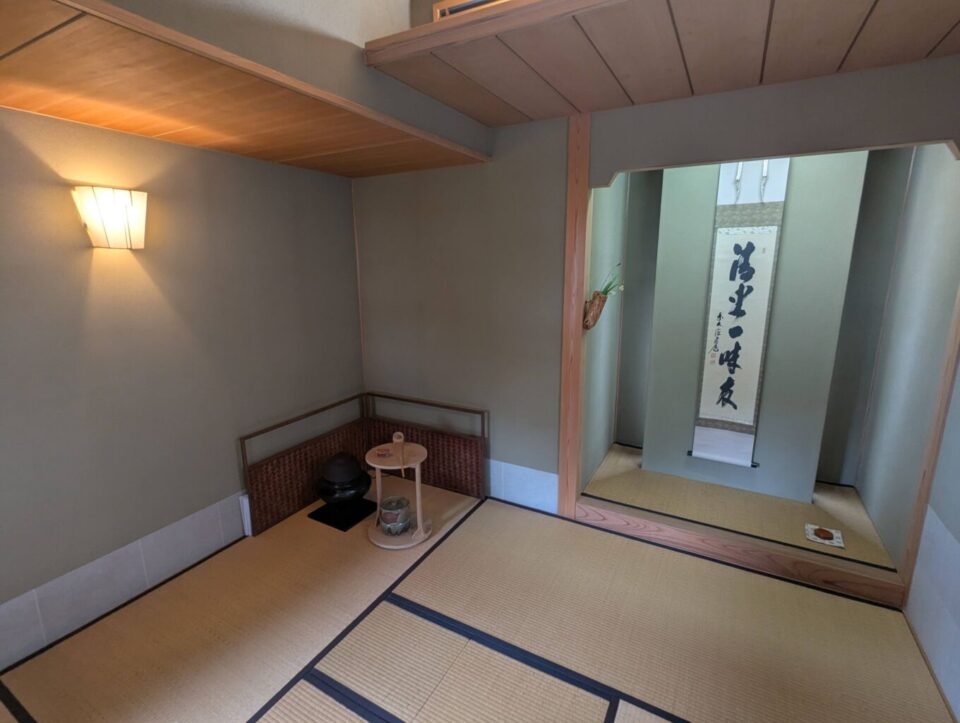
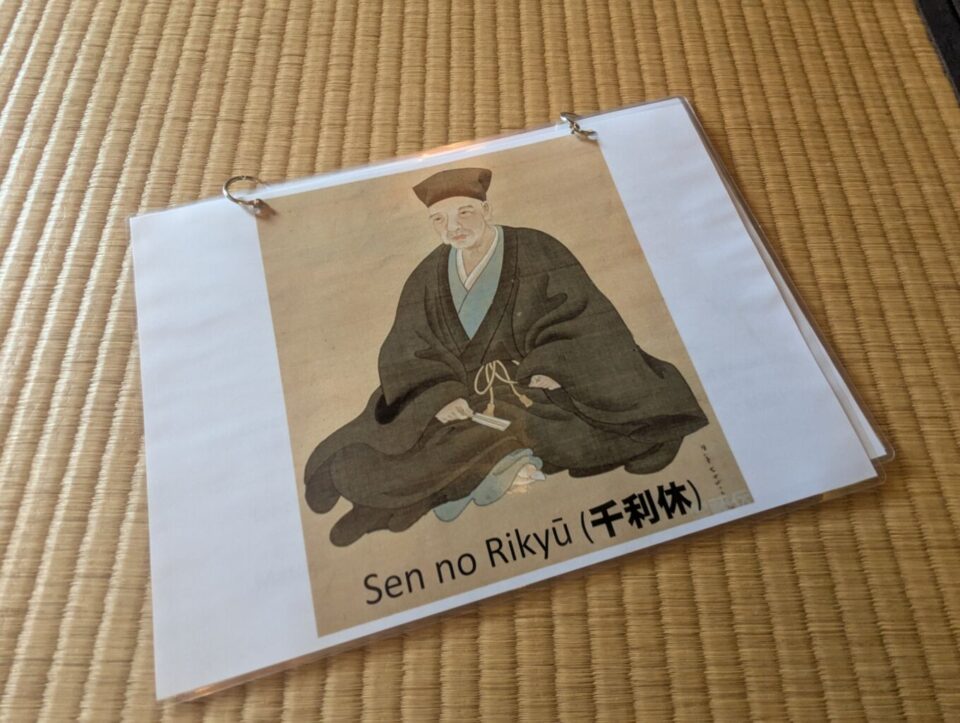
Sen no Rikyū’s influence on tea ceremony and samurai culture was profound. Born in 1522 to a merchant family in Sakai, he studied Zen and tea under Takeno Jōō and later became tea master to Oda Nobunaga and, after him, Toyotomi Hideyoshi. Rikyū distilled the wabi ideal into its clearest form, preferring tiny rustic tearooms, some just two tatami mats, and simple Japanese ceramics over lavish Chinese wares. His stripped-down style contrasted sharply with Hideyoshi’s love of opulence, yet both understood how important tea practice had become among warriors.
For samurai, skill in tea was increasingly seen as part of proper education. It showed refinement, self-discipline, and an ability to appreciate subtle details, all valued traits in the warrior class. By the Edo period, in an era of relative peace, tea ceremony was widely practiced among higher-ranking samurai alongside calligraphy, poetry, and flower arranging, serving as a counterbalance to martial training and as a form of inner cultivation.
Evolution and Influence
Over time, tea ceremony spread beyond the samurai and aristocracy, and by the Edo period wealthy merchants and eventually townspeople were also practicing it. Three main schools, Omotesenke, Urasenke, and Mushakōjisenke, descend from Rikyū’s lineage and still teach his principles today. The ceremony’s influence reaches far beyond tea itself: its aesthetic shaped architecture, gardens, ceramics, and social etiquette, and the concept of omotenashi, or wholehearted hospitality, draws heavily on tea practice. At its core, the ceremony teaches that beauty can be found in simplicity, that imperfection has its own grace, and that the present moment deserves full attention.

The Legacy
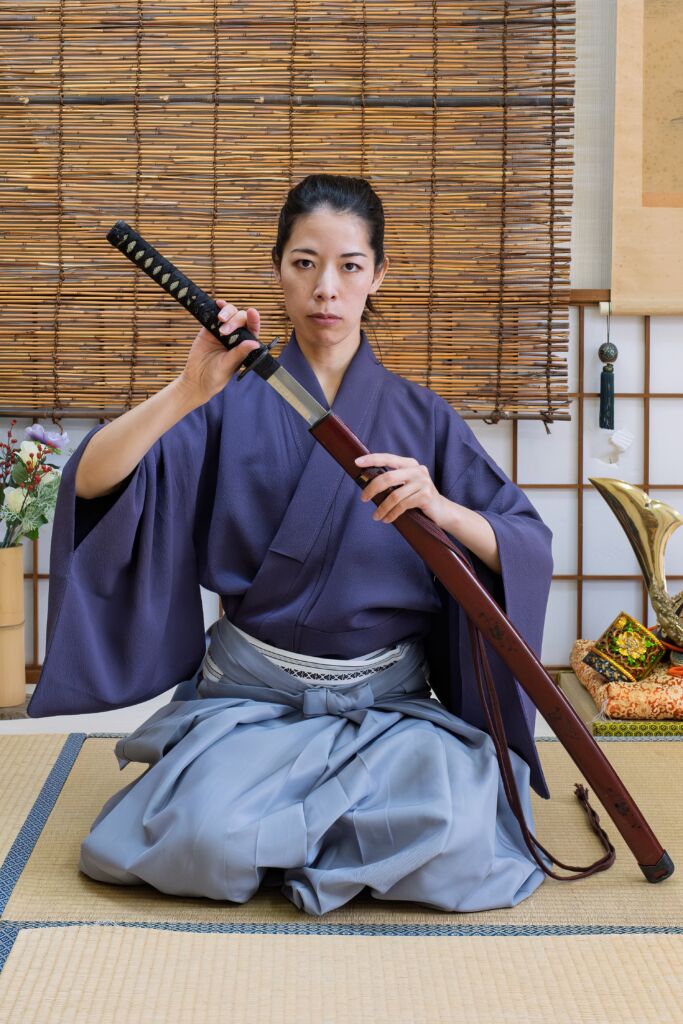
The samurai’s embrace of tea ceremony highlights something central in Japanese culture: the effort to balance qualities that look opposed at first glance. Warriors cultivated calm alongside readiness, learned to notice small details of beauty while preparing for conflict, and found meaning in a single shared bowl of tea. Modern practitioners, in Japan and elsewhere, inherit that same framework. The precise movements, careful preparation, and seasonal awareness still create a structured moment of quiet that links present practice to several centuries of accumulated habit.
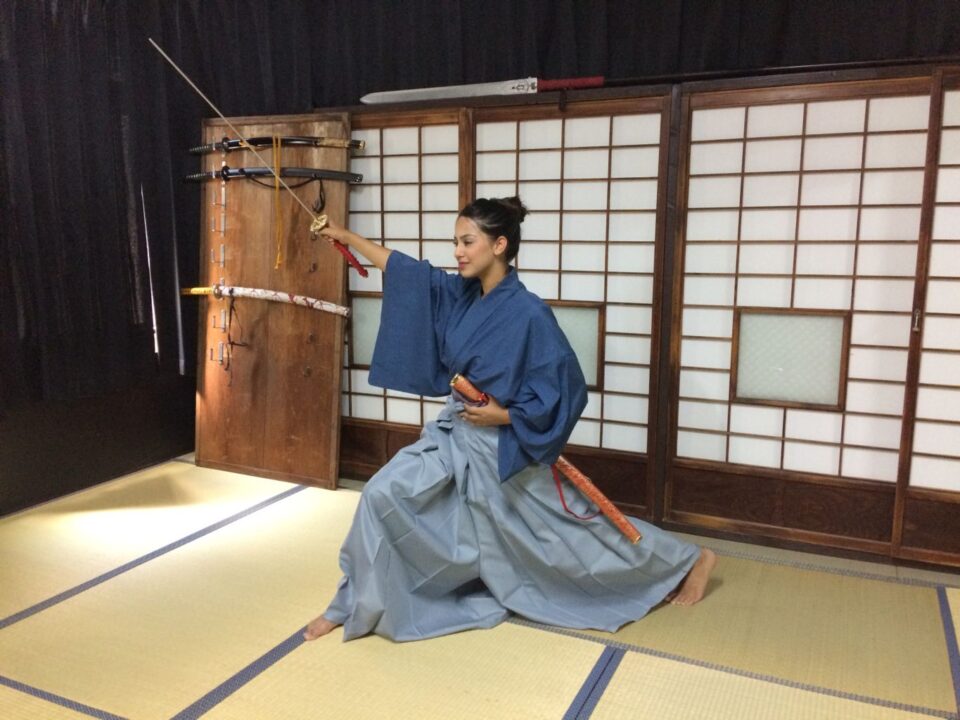
If you would like to explore that connection for yourself, our samurai training and tea ceremony experience in Nagano offers a half day in which you learn basic sword movements in a working dojo, then sit down to share matcha in a traditional setting near Zenkoji Temple, bringing both sides of the old warrior ideal into a single visit.


 Page Top