
In the heart of Nagano City stands a temple with an unusual story. Zenkoji Temple operates under a management system that sets it apart from most Buddhist institutions in Japan. Here, two Buddhist sects share authority over a single sacred space, alternating leadership in a carefully choreographed partnership that has continued for centuries.

A Foundation Before Division
The story begins in 642 CE, when Honda Yoshimitsu enshrined a Buddhist statue in what would become Zenkoji Temple. This timing proves crucial to understanding the temple's unique character today, predating the formal sectarian divisions that would later split Japanese Buddhism into distinct schools.
The founding legend speaks to themes of reconciliation. According to legend, the statue had caused disputes between clans in the Osaka region before Yoshimitsu brought it north to Shinano Province. The temple was named "Zenkō," according to the Chinese transliteration of Yoshimitsu's name.

This origin story established Zenkoji as a place where conflict could be transformed into cooperation, a principle that would prove prophetic for its future management structure.
The Evolution of Dual Control
As Buddhism in Japan developed distinct sectarian identities, Zenkoji found itself in a unique position. Because the temple was founded before Buddhism in Japan was split into sects, it belongs to both the Tendai and Jodo Shu schools. Rather than choosing sides, the temple developed an innovative solution that honored both traditions.
Zenkoji Temple is jointly managed by two nearby temples: Daikanjin of the Tendai Sect and Daihongan of the Jodo sect, creating two head priests instead of one. This arrangement emerged organically over centuries, driven by practical necessity and spiritual wisdom.

How the Partnership Works Today
The current management structure operates with remarkable precision. It is co-managed by twenty-five priests from the Tendai sect, and fourteen from the Jodo sect, with the Tendai sect represented by more clergy reflecting historical precedent and administrative needs.
Management of the temple alternates every six months between the abbot of the Tendai sect and the abbess of the Jōdo sect. This rotation ensures that neither sect dominates while providing continuity of spiritual leadership.

Daily operations reflect this partnership. The Rosary Blessing O-JUZU CHODAI takes place four times daily while both leaders participate in morning services, a visible reminder of the temple's dual nature.
Living Arrangements and Shared Spaces
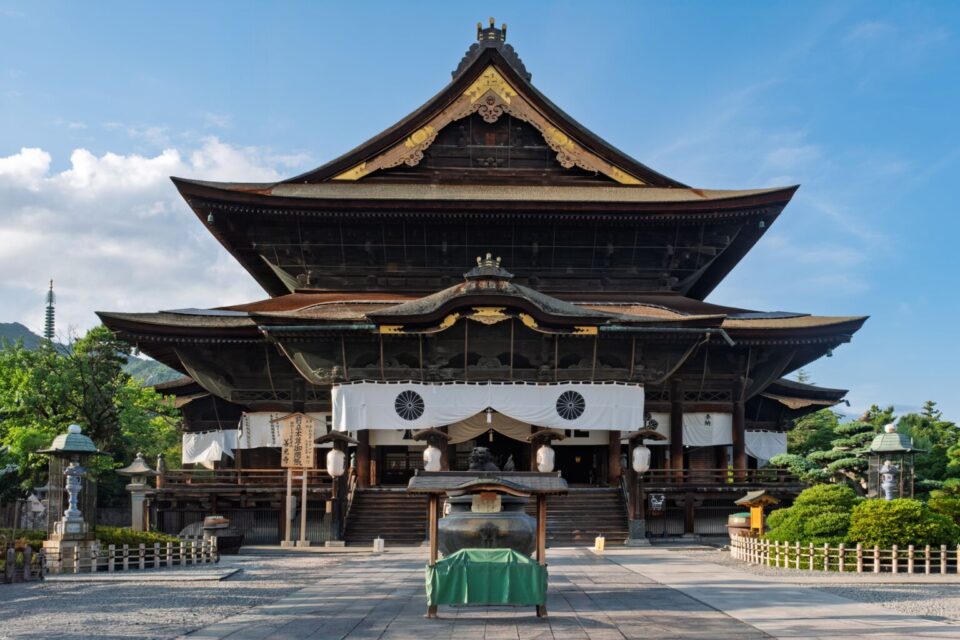
The physical layout tells the story of this arrangement. Daikanjin Temple, representing the Tendai sect, occupies its designated area within the complex, while Daihongan serves as the Jodo sect headquarters. Each maintains its own administrative buildings and living quarters for clergy.
The main hall remains neutral territory, belonging equally to both sects. Here, the hidden Amida Buddha statue continues to serve as the temple's spiritual center, symbolically unified despite the administrative division below.
Challenges and Future Outlook
This arrangement requires constant negotiation and mutual respect. Different Buddhist sects have varying ritual practices and administrative traditions. The famous Gokaicho ceremony, held every seven years when a copy of the hidden Buddha is displayed, requires extensive planning that crosses sectarian lines.

As Japanese society evolves, Zenkoji's dual structure may actually provide advantages. The temple can draw on two different sectarian networks for support, clergy, and pilgrims. Zenkoji's non-sectarian identity also resonates with modern spiritual seekers who appreciate inclusiveness, potentially attracting new generations of supporters.
Planning Your Visit
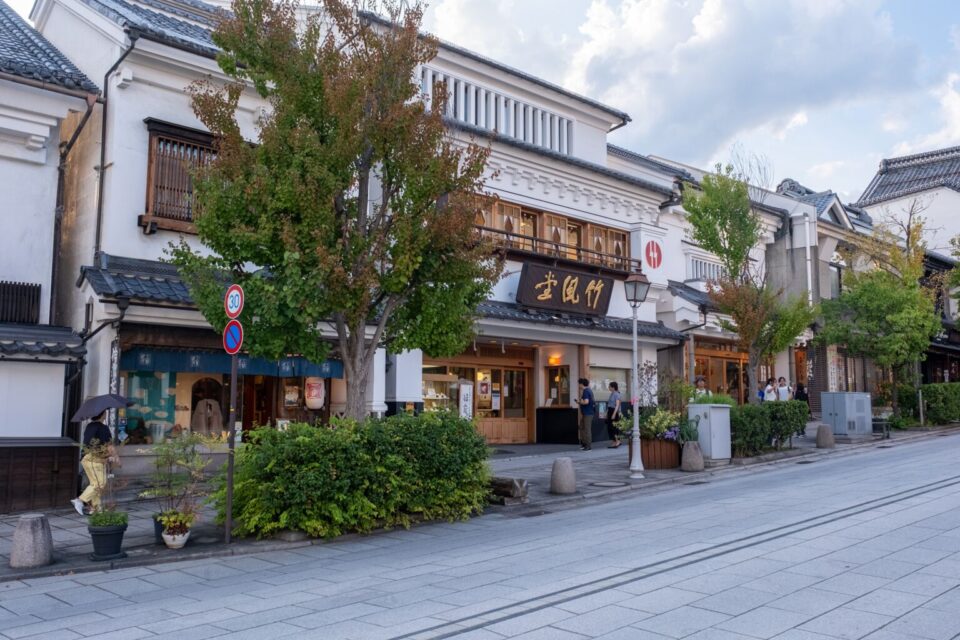
Zenkoji remains easily accessible from Nagano Station, with the temple approach lined with traditional shops selling local specialties. Morning services offer the best opportunity to witness the dual leadership in action.
You can visit Zenkoji Temple as part of our Nagano City Walking Tour. Our guides can share a fascinating stories and hidden details to both the spiritual and cultural life that continue to shape this sacred city.


 Page Top