
Calm your spirit with the ancient ritual of samurai-style tea ceremony!
Rooted in Zen Buddhist practice, the tea ceremony became an important part of samurai culture. In Nagano, around the historic streets leading to Zenkoji Temple, you can step into that world for half a day: train with a samurai sensei in his dojo, then take part in a traditional tea ceremony approached in the spirit of a warrior’s discipline and calm.
The Warrior’s Path
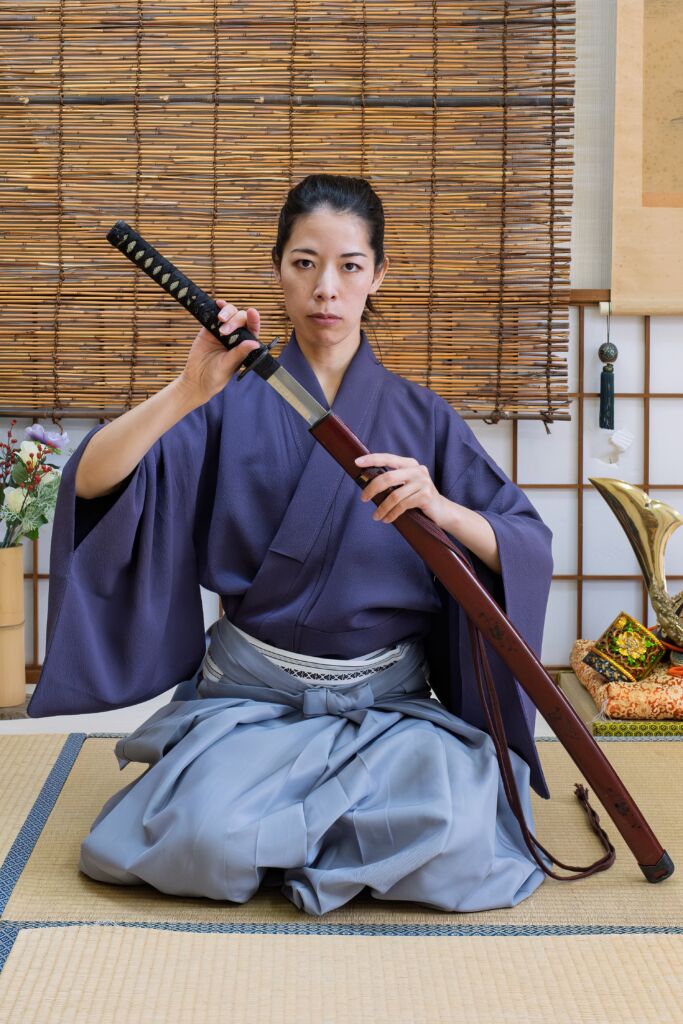
The link between samurai and tea ceremony can seem surprising. Yet both grew from Zen. By the Kamakura period, Zen Buddhism was influential among warriors, with its focus on meditation, mental control, and readiness for death. Tea practice became one more way to train the mind, encouraging the same calm focus and decisiveness needed in battle.

In the Sengoku period, when fighting was frequent, tea gatherings offered samurai a brief, structured pause. Small, simple tearooms acted as refuges from military life. Warriors bowed to enter, left their swords outside, and followed shared etiquette. For that short time, attention shifted from rank and weapons to manners, aesthetics, and quiet concentration.
Train like a Samurai
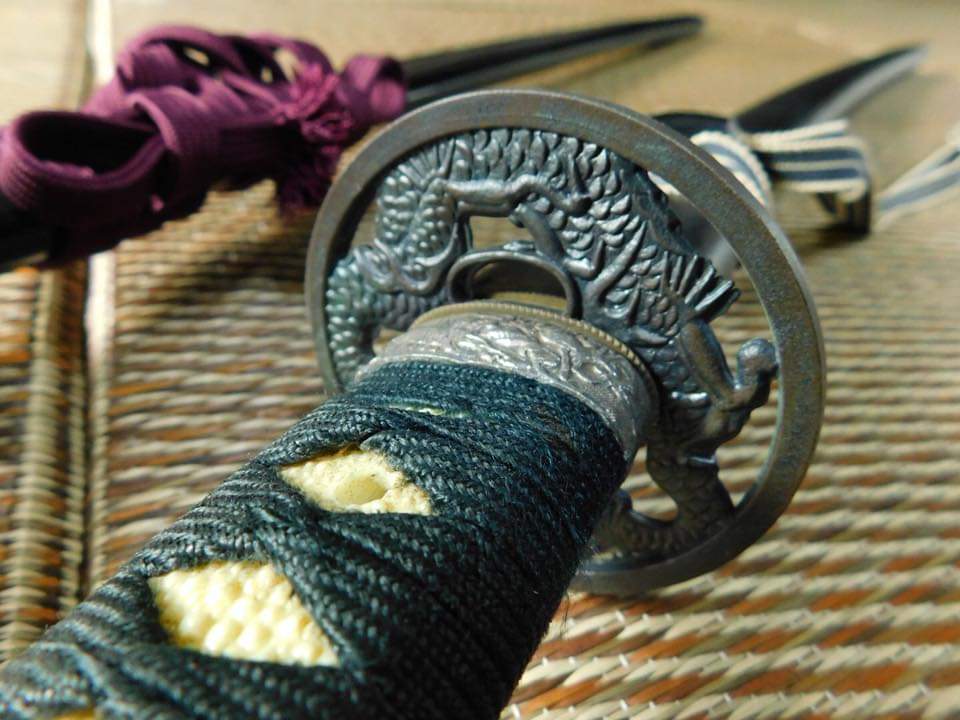
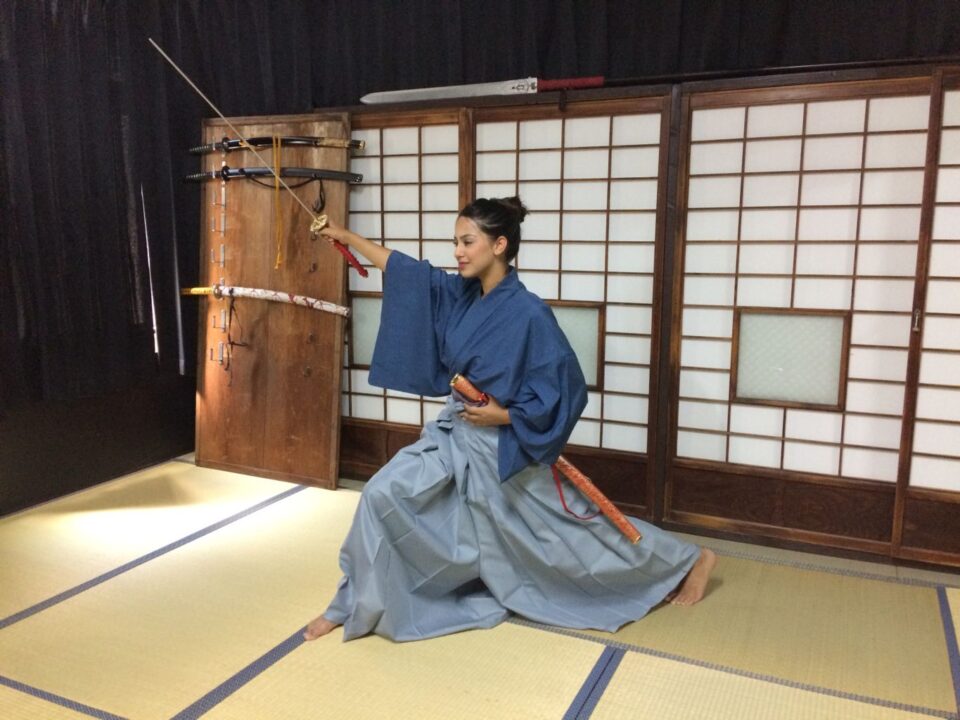
During this half-day experience in Nagano, guests learn the basics of samurai training with a local instructor. You will change into appropriate period clothing, learn how to handle a sword safely, and practice fundamental movements, posture, and etiquette that reflect samurai discipline. The focus is on body control, concentration, and respect for the teacher and the training space rather than combat.
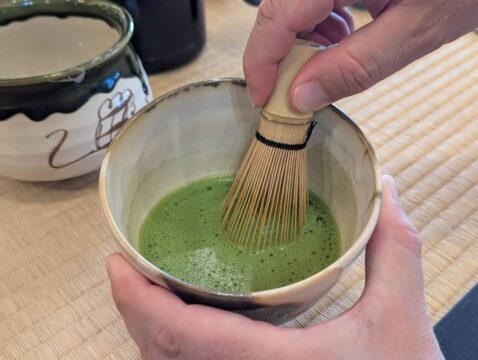
After training, you move to a traditional tea room near Zenkoji Temple to take part in a Japanese tea ceremony. Here you see how the same qualities valued in samurai life, such as calm attention, precise movement, and consideration for others, appear in the preparation and sharing of matcha. Your host explains each step in clear, simple language while you watch the tea being made, learn basic guest etiquette, and taste the tea yourself. Together, the dojo session and the tea ceremony show two connected sides of samurai culture: outward training and inner composure.

Experiencing Tea Ceremony in Nagano
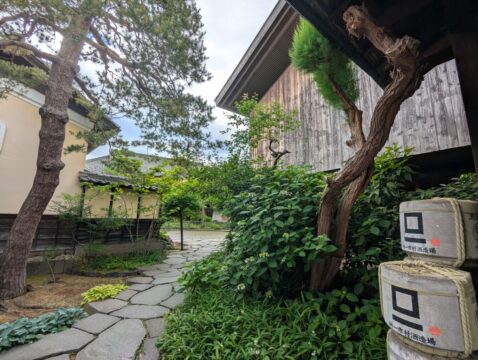
Around Zenkoji Temple, one of Japan’s most important Buddhist centers, the temple approaches have seen samurai, monks, pilgrims and townspeople pass through for centuries. Taking part in a tea gathering here connects the formal structure of chanoyu with the everyday life of a regional temple city, making it easier to see how an art shaped by Zen and samurai culture continues as a lived practice rather than only a preserved tradition.

Contemporary tea lasts thirty to forty minutes, but the core elements remain consistent. Guests step into a simple tatami room, sit in seiza, and receive the tea bowl with both hands. They turn the bowl slightly before drinking, then take a moment to notice the host’s choice of utensils, flowers, and hanging scroll, all selected for the season and occasion. The host prepares the tea by whisking matcha with hot water in slow, practiced movements. Even in abbreviated lessons, this sequence of actions becomes a small exercise in attention, etiquette, and shared focus.

Additional Information
Meeting Location: Niomon Gate, Zenkoji Temple Area. Your guide will pick you up and bring you to the first activity.
Group Type: Group Tour (Private Tour Option available)
Allergies: : Please inform us of any food allergies or dietary restrictions at the time of booking.
Important information:
- This is a walking tour with a moderate walking distance between the meeting point, the samurai experience venue, and the tea ceremony venue.
- In Japan, authentic katanas are classified as illegal weapons under strict licensing laws. Tourists can see them in museums or specialty shops, but theatrical swords are widely used in performances, training, and during our samurai experience.
- This activity focuses on proper sword techniques and kata accessible to all including families. It does not involve any type of slicing or cutting of objects.
- Please note that the stairs leading to the samurai experience venue are short, but steep and narrow. Also, access to the teahouse is through a traditional gate, which is narrow and may be difficult to pass through for some guests. If you have any accessibility needs, kindly inform us in advance.
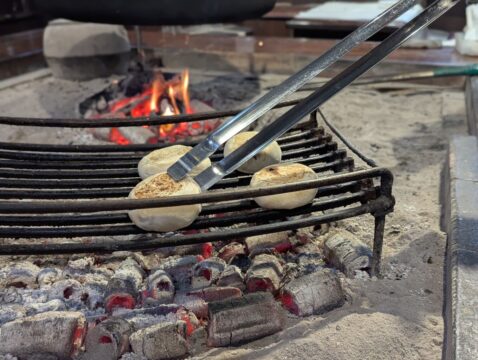
- The tea ceremony includes a Japanese sweet. Please notify us in advance if you have allergies to dairy, eggs, or other common ingredients.
- This tour does not include a tour inside or outside of the temple
The tour itinerary includes the following visits:
- Walk to the Samurai Experience Venue / 5 minutes
- Samurai Experience / 75 minutes
- Walk to the Tea Ceremony Venue / 10 minutes
- Tea Ceremony Experience / 60 minutes
Please note that the above times are estimates and that the experience may end earlier or later.
Cancellation Policy: To receive a full refund, cancel up to 24 hours before the experience start date in the local time zone. No refunds will be given after that time period.
Terms & Conditions: Please see our Terms & Conditions


 ¥9,500
 3 hours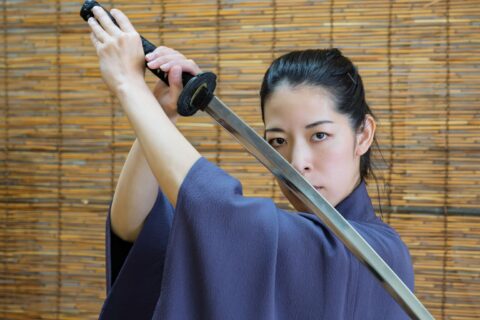




 Page Top