
Nagano City sits quietly in the northern part of Nagano Prefecture, surrounded by forested mountains and open sky. It is the prefectural capital, yet its pace is relaxed, its streets walkable, and its cultural roots deep. For many visitors, it is a gateway to the Japanese Alps, but the city itself offers far more than a place to pass through.
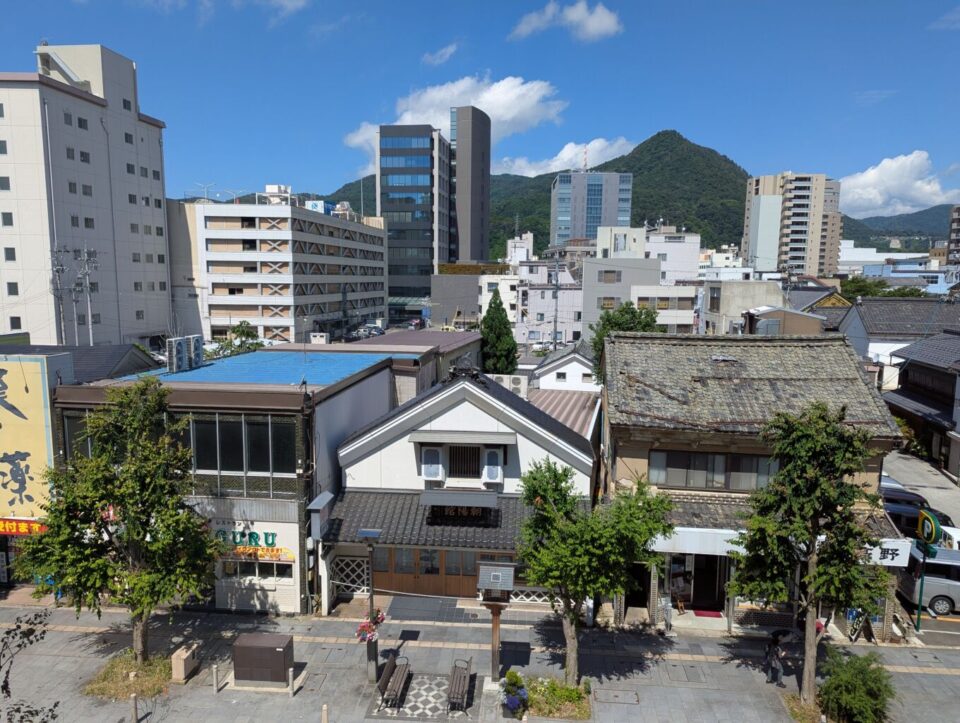
A City Built Around a Temple
At the heart of Nagano City is Zenkoji Temple, one of Japan’s most important and beloved temples. Founded over 1,400 years ago, Zenkoji has long been a place of pilgrimage. Its broad main hall, incense-filled interior, and quiet stone paths invite reflection regardless of belief or background. The city grew up around this temple, and its presence can still be felt in the surrounding streets, which are lined with small shops, inns, and family-run eateries.
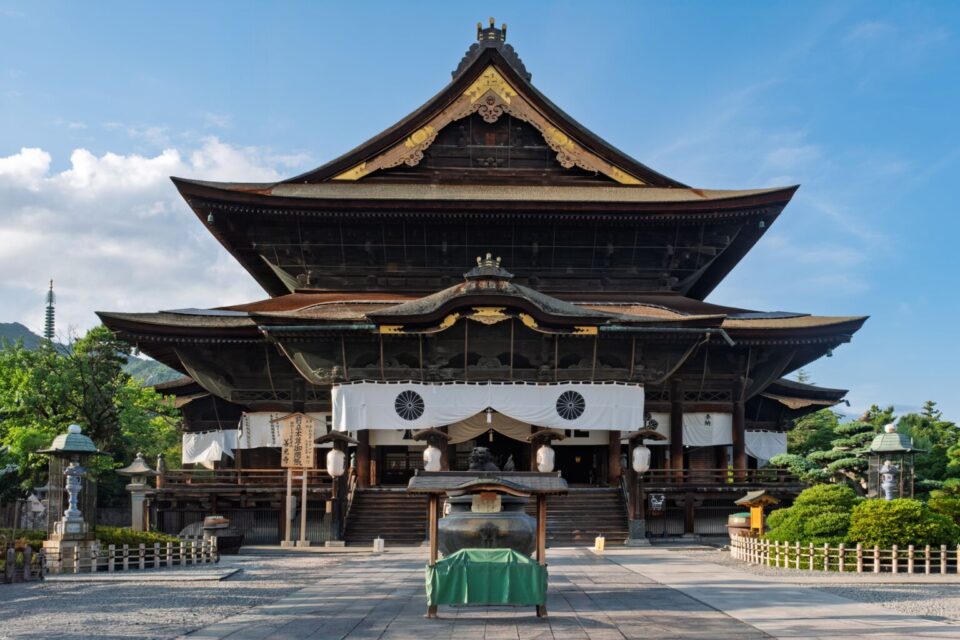
History That Lives On
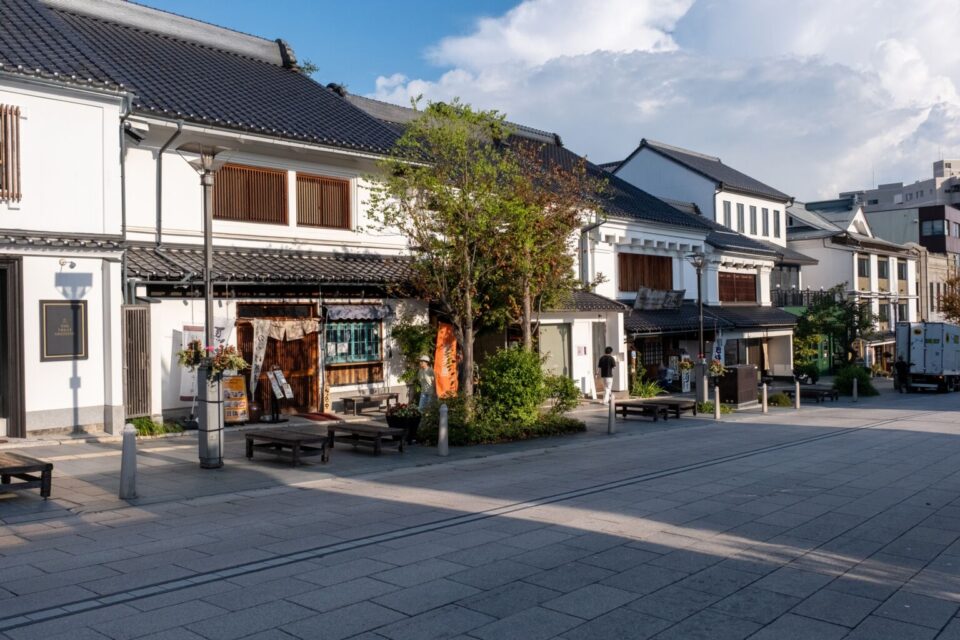
Nagano’s history goes beyond Zenkoji. For centuries, the region served as a strategic crossroad between eastern and western Japan. During the Edo period, travelers passed through on the Hokkoku Kaido, a major inland route. Local crafts and traditional papermaking developed in nearby towns and still thrive today.
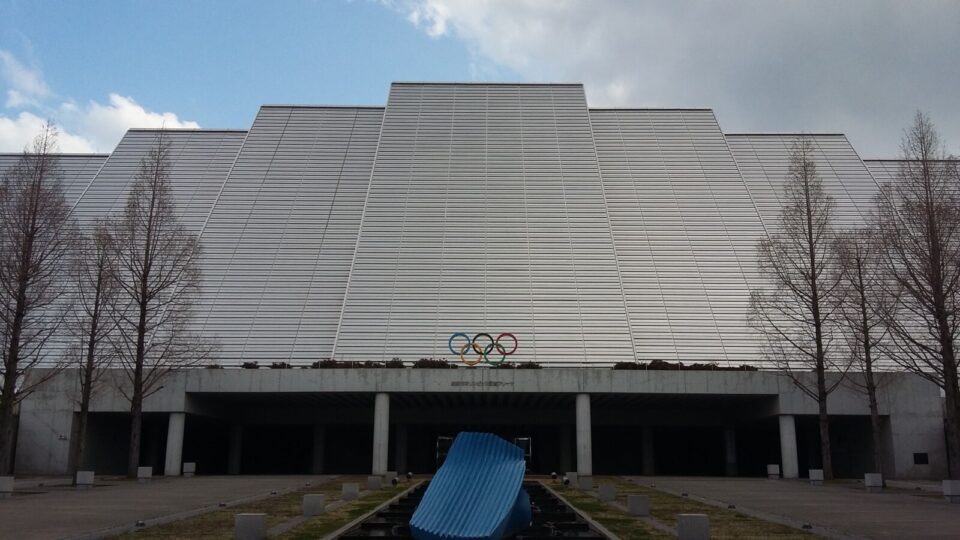
In 1998, Nagano welcomed the world as the host of the Winter Olympics. It was a transformative moment, leading to new infrastructure and international attention, but the city retained its calm and unhurried personality. Many Olympic venues, including M-Wave, Big Hat, and the Olympic Museum, are open to the public and still in use today.
Seasonal Highlights and Local Life
Nagano transitions beautifully through the seasons. Spring brings cherry blossoms along the rivers and in Joyama Park. In summer, shaded temples and cool mountain breezes offer relief. Autumn is marked by brilliant foliage, especially at nearby Togakushi, while winter coats the city in snow and brings a hushed atmosphere to the entire area.
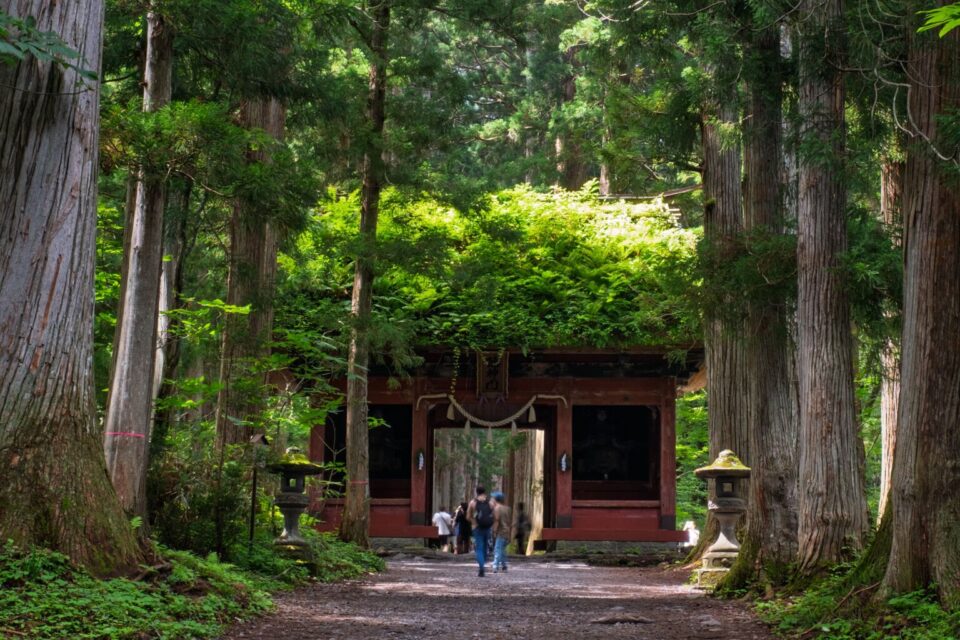
The city hosts several festivals throughout the year. The Zenkoji Gokaicho, held every seven years, draws pilgrims from across the country to view a hidden image of the Amida Buddha. The Binzuru Festival, held in August, fills the streets with dancing and traditional music. In winter, Nagano Design Week brings lights, art, and projection mapping to the Omotesando leading up to Zenkoji.
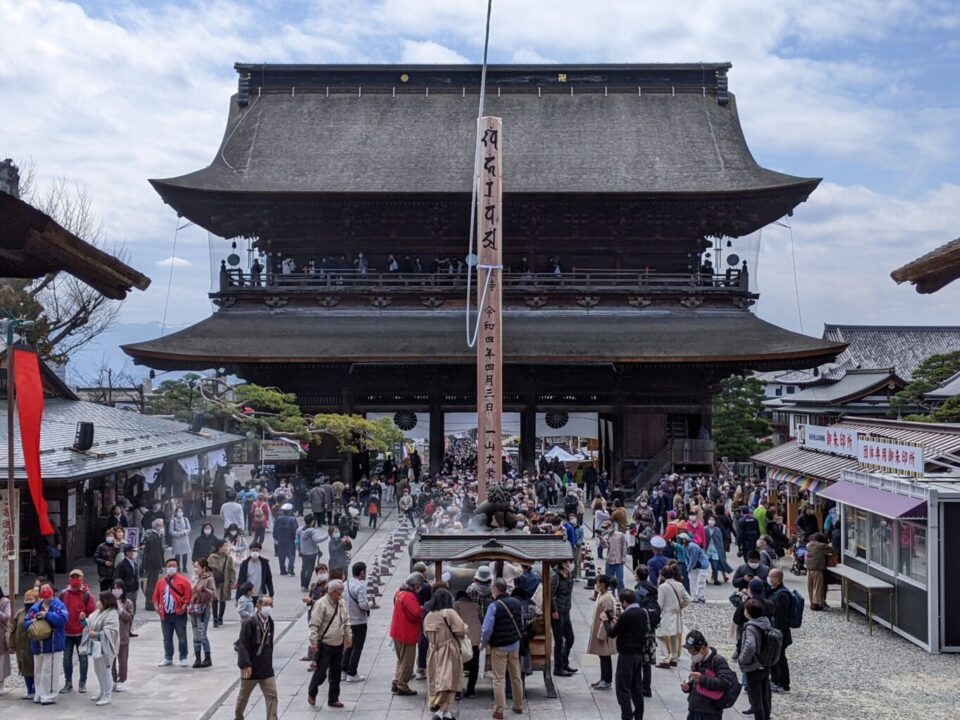
Everyday Nagano
What sets Nagano apart from larger cities is its pace and sense of space. Streets are easy to navigate, and many locals walk or cycle as part of their daily routine. School groups regularly visit Zenkoji, and small greetings still matter in local shops. Traditional businesses operate alongside newer cafés and bakeries without pretense. This is not staged for visitors, it’s simply part of how life goes here.
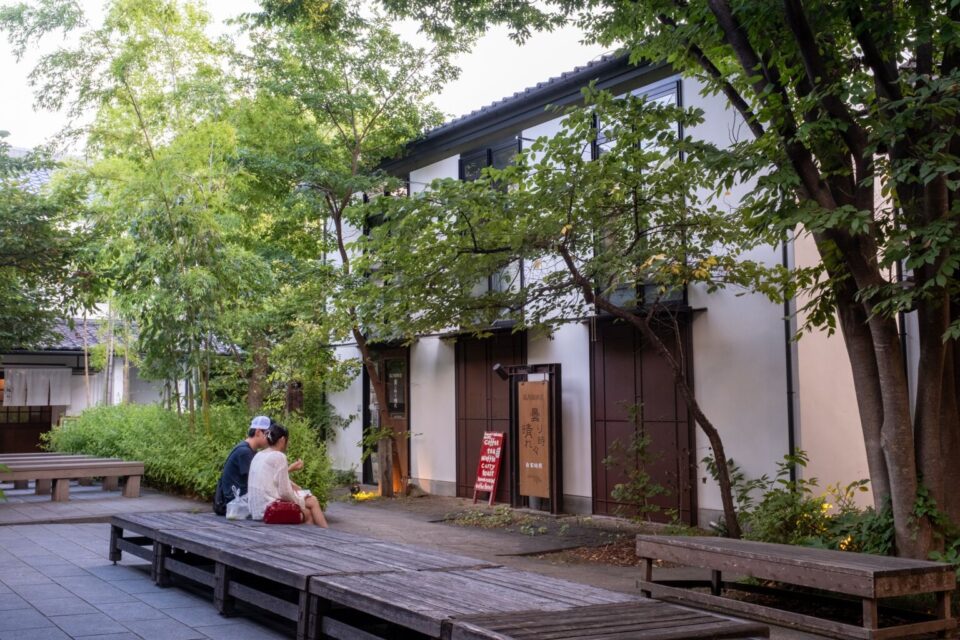
For travelers seeking quiet charm, rich cultural texture, and a base to explore the mountains and nearby towns, Nagano City offers all of that without the rush. It is easy to get to from Tokyo, yet feels far removed from it. A few days here will leave you with a better sense of how tradition, nature, and modern life come together in this part of Japan.
If you’re planning a visit, we invite you to explore Nagano with us. Our tours offer a thoughtful way to experience the city’s history, food, and everyday charm, guided by people who know it well.

 Page Top